Preparing a weekend, a getaway, or a long vacation often leads to quick purchases: a bag, a jacket, a compact stroller, a cooler, a guidebook, sometimes even a bike or camping equipment. This is where second-hand becomes a smart reflex. It helps to reduce the budget, avoid buying items that will sit unused in the closet for ten months, and choose objects already tested in real life. For travelers, the idea is not a sacrifice: it often allows buying better targeted, more durable, and more suited for occasional use.
Quick verdict before leaving
Practical rating: 8.7/10. For anything related to occasional use, seasonal leisure, or supplementary equipment, buying second-hand is often the most reasonable choice. You spend less, test without overbuying, and avoid accumulating new items for just two outings per year.
Recommended for: families preparing for vacations, occasional travelers, city-break enthusiasts, summer campers, beginner bike tourists, and anyone wanting to free up their budget without compromising the experience.
- Strength: reduced budget on non-essential purchases.
- Strength: wide choice of well-tested items, sometimes better designed than new entry-level products.
- Strength: more sober buying, better aligned with a usage logic.
- Weakness: quality varies greatly depending on the sellers.
- Weakness: some products should be avoided for safety or hygiene reasons.
Why this reflex really changes the game
A trip rarely costs only transport and accommodation. Additional purchases quickly add up: walking shoes, windbreaker, sunglasses, cabin bag, water bottle, adapter, baby carrier, games for children, binoculars, picnic equipment. Taken separately, these expenses seem modest. Added together, they weigh heavily.
Second-hand acts on a simple lever: paying for actual use rather than the marketing promise of new. A travel bag bought for three trips a year does not need to be brand new to be reliable. The same logic applies to a lightly worn technical jacket, a paper guidebook, a hard suitcase, or a soft cooler. This shift is at the heart of the trend described by laprovence.com: second-hand is no longer a “default” choice, it is a thoughtful trade-off.
Another advantage: buying second-hand often forces you to better define your needs. You sort faster between the essential and the gadget. Result: you leave with fewer items, but more useful ones. For a traveler, it’s almost a discipline: lighten the trunk, lighten the suitcase, lighten the bill.
The smartest purchases before vacation
Not everything is equal. Some categories are particularly well suited to second-hand because they age well, can be easily checked, or are used intermittently.
| Category | Why it’s relevant | Point to check |
|---|---|---|
| Luggage | Occasional use, often durable structure | Wheels, zipper, telescopic handle |
| Jackets and fleeces | Items not very sensitive if in good condition | Seams, zipper, membrane, persistent odor |
| Books and guides | Low price and immediate usefulness | Edition date for practical information |
| Camping | Expensive new equipment, often occasional use | Poles, fabric, pegs, signs of dampness |
| Children’s equipment | Short use, quick turnover | Condition, cleanliness, missing parts |
The carry-on luggage is a good example. Many second-hand suitcases have been used little and show their quality from the first inspection. The same goes for urban backpacks, briefcases, camera bags, or older generation hiking bags, sometimes better padded than some current entry-level models.
Outdoor clothing is also worth a look, especially for occasional trips. A good fleece, a simple rain jacket, a UV-protection shirt, or hiking shorts can last a long time if the seams and closures hold up. For families, second-hand makes even more sense for children’s clothes worn for only one season.
Cultural items follow the same logic. Buying a second-hand guidebook, beach novels, an illustrated map, or some travel games allows you to travel light on the budget, then resell or give away without regrets.
How to buy second-hand without making mistakes
A good deal starts with a simple rule: inspect before buying. On a bag or suitcase, handle the handle, test the zippers, look at the inner seams. On clothing, be less wary of light wear than of a distorted fabric or a detached membrane. For an electrical item, ask about its age, battery life, invoice if available, and a real test.
For electronic products, the inspection must be a bit more methodical. An attractive device but impossible to repair quickly becomes a false economy. The useful benchmark, in France, remains the repairability index, then the durability index depending on the categories concerned. Better a slightly older device, but maintained, documented, and repairable, than a very cheap model impossible to maintain over time.
- Compare: look at the real new price, not the crossed-out price.
- Question: frequency of use, purchase date, storage, possible repairs.
- Test: wheels, closures, buttons, battery, connectors.
- Observe: signs of dampness, odors, cracks, deformation.
- Negotiate soberly: the strongest argument remains the objective condition.
The right reflex also consists of accepting the model’s limits. A second-hand purchase is not always relevant if the item is subject to strict safety standards, wears invisibly, or requires impeccable hygiene. Second-hand only makes sense when it remains realistic.
What is better to avoid or buy with caution
Some travel or leisure products require a higher level of scrutiny. Car seats are among them: unknown accident history, missing parts, invisible wear, evolving standards. The same caution applies to helmets, whether for bike, scooter, or motorcycle. An old impact may have weakened the structure without obvious signs.
Heavily worn technical shoes pose another problem. A compressed sole or a tired membrane is sometimes noticed too late, once on the trail. For regular hiking, it is better to have either almost new shoes or a carefully inspected pair. The same logic applies to certain inflatable mattresses, water shoes weakened by salt, or waterproof bags with aged seams.
You also need to distinguish between useful second-hand and compulsive second-hand. Buying cheaper is pointless if you accumulate three jackets “just in case,” two coolers, and an extra suitcase. Second-hand remains virtuous when it replaces a superfluous new purchase, not when it feeds overconsumption in another form.
Simple method for a truly responsible purchase
To build this guide, the sorting is based on five easy-to-reuse criteria: safety, probable lifespan, ease of inspection, frequency of use, and budget coherence. It is a practical method to make decisions without getting lost in platforms or trends.
Concretely, ask yourself three questions before taking out your credit card. Will I use this item more than three times? Can I check its condition in five minutes? Does new really bring me something decisive? When the answer leans towards occasional use and easy control, second-hand often takes the advantage.
This method also has its limits. A very specialized object, old equipment without spare parts, a textile item already worn out, or a product with an opaque history does not deserve to be “saved” at all costs. Good responsible consumption is not a dogma. It is a series of coherent choices.
FAQ: the most frequently asked questions
Is second-hand always more ecological?
Not automatically. It becomes truly relevant when it avoids a new purchase, extends the use of an object in good condition, and does not trigger unnecessary accumulation.
What should be bought second-hand first before a weekend?
Luggage, jackets, books, travel games, small camping equipment, and children’s accessories are among the easiest categories to buy without major unpleasant surprises.
Where to find good deals without spending hours?
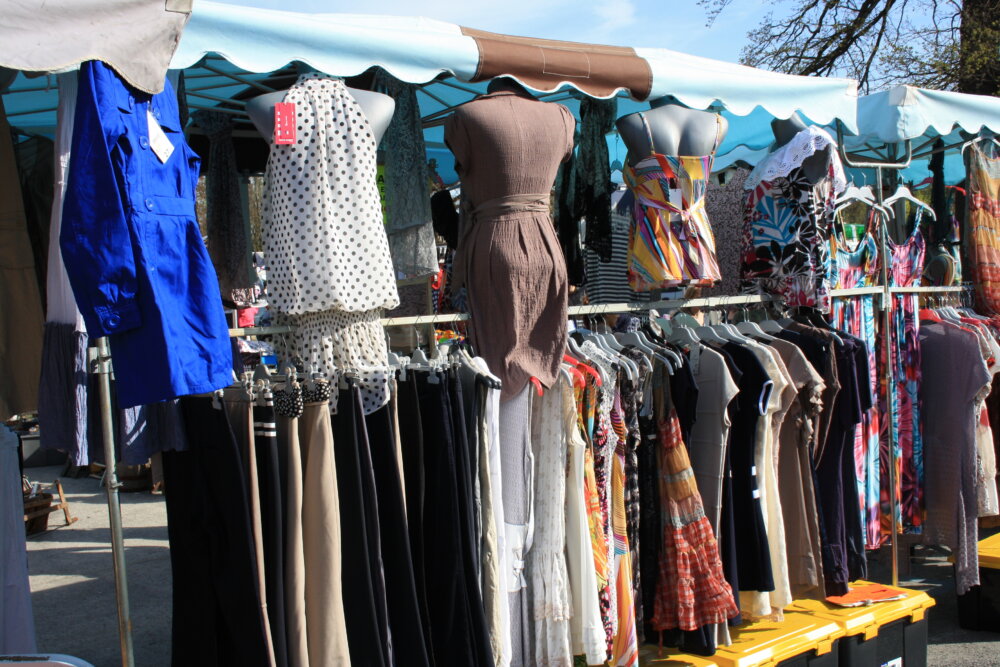
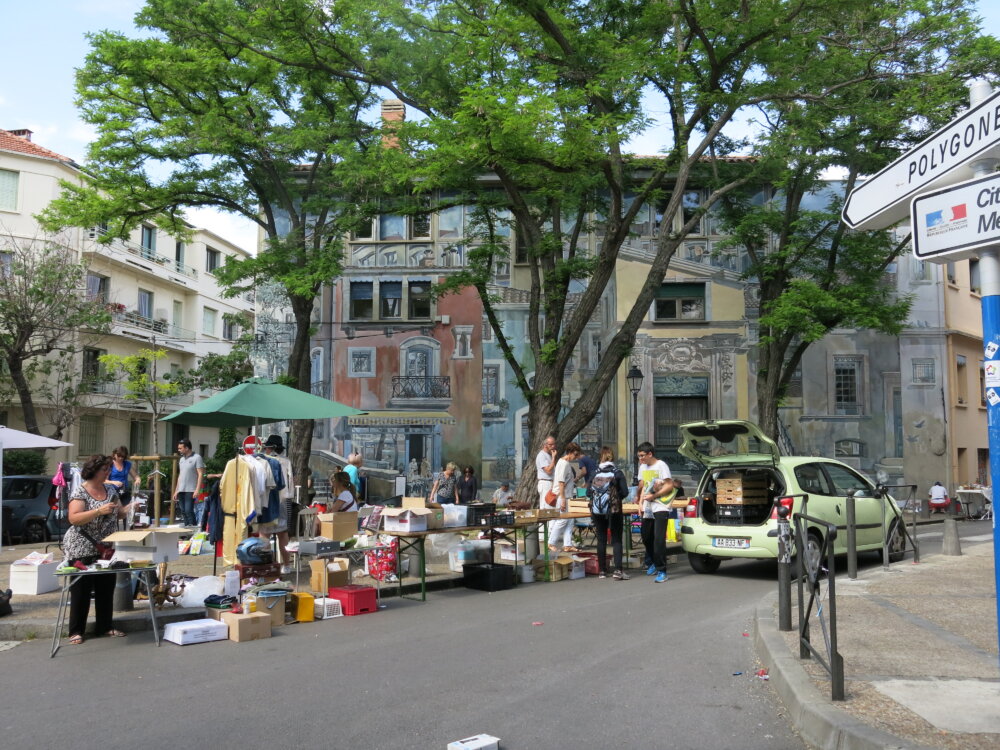
Local platforms, recycling centers, flea markets, garage sales, and neighborhood groups often allow you to go quickly. For bulky items, picking up in person remains the most practical.
Should items be systematically washed or disinfected?
For textiles and soft accessories, yes: a complete wash before use avoids most inconveniences. For rigid objects, a thorough cleaning is generally sufficient.
Is refurbished a form of second-hand?
Yes, with an additional level of control. It is often the best entry point for electronics when you want a compromise between price, warranty, and peace of mind.
How to know if the price is really interesting?
Compare with the actual new price, check the precise condition, then factor in any additional costs: battery replacement, worn wheels, missing cover, cleaning, parts.
Can second-hand clothes for children be bought without risk?
Yes, provided you examine the general condition, elasticity, fastenings, absence of tears, and wash the items before use. For children, second-hand is often one of the most rational choices.
What is the main pitfall to avoid?
Confusing good price with good purchase. A cheap object but poorly suited, difficult to repair, or already worn out often ends up costing more than a thoughtful purchase.
When preparing for vacation, second-hand is no longer a makeshift solution. It is a more flexible way to travel, better prioritize needs, and keep a budget for what really matters: the journey, the meal, the visit, the scenery, the time on site. When the object is used little, ages well, and is easy to check, second-hand is a good reflex.