High-Tech • By Franck • 7 minutes reading time
When a computer stubbornly refuses to turn on, frustration is immediate. The causes are multiple; knowing how to diagnose and fix these issues is essential. Follow this step-by-step guide to bring your machine back to life without necessarily going through a professional.
Contents
- Common causes why your computer no longer turns on
- Checking the power supply
- Battery and charger status (laptops)
- Internal components and their role in startup
- Software checks and solutions
- Consult a professional
Common causes why your computer no longer turns on
Power failures, dead battery, poorly installed RAM, corrupted hard drive, defective motherboard… the reasons are numerous. Always start by checking the most obvious elements before opening the machine.
Checking the power supply
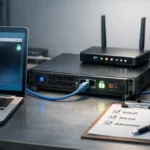
Inspect the cable and the outlet. A simple switched-off power strip can be the source of the problem.
Test with another outlet or another cable
Plug the computer into another outlet; if possible, use a different cable. If the machine starts, you have identified the fault.
Inspect internal components
Check that internal power connectors, RAM, and drives are properly seated.
Battery and charger status for laptops
Remove the battery and try to start on AC power only. A machine that starts without a battery indicates a defective battery.
Test with another charger
A damaged charger will not provide enough voltage. Test with a compatible model.
Inspect lights and charging indicators
No LED? The charger or the power port may be at fault.
Internal components and their role in startup
RAM, motherboard, hard drive: each component can block the boot process.
The role of the motherboard
Look for swollen capacitors or burn marks. A defective motherboard often requires replacement.
Hard drive and other peripherals
Boot from a bootable USB key; if the PC boots, the hard drive is probably faulty.
Software checks and possible solutions
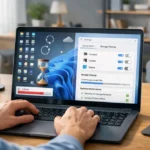
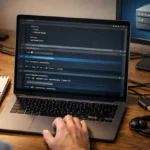
A corrupted OS or a faulty driver can prevent startup.
Use a recovery disk
Boot from it to repair the bootloader or restore the system.
Reinstall the operating system
Ultimate solution: back up your data then perform a clean install.
Consult a professional for persistent problems
Evaluate repair costs
Weigh the price of parts and labor against the cost of a new PC.
Advantages of calling a professional
Accurate diagnosis, proper tools, warranty on the intervention: enough to avoid mistakes and wasted time.
To read: Instagram profile picture in large: how to do it?
By following these steps, you maximize your chances of getting your computer back up and running.
If the breakdown persists, call a specialist.