Gamers and creators: prioritize the Quest 3 (120 Hz, Steam Link/Air Link, Virtual Desktop). For leisure/fitness use on a budget: the Pico 4 holds up well, notably thanks to its pancake lenses and good ergonomics.
To watch in 2025: Quest 3S (entry-level) and Pico 4 Ultra (refreshed for Europe) as alternatives.
Definition & context
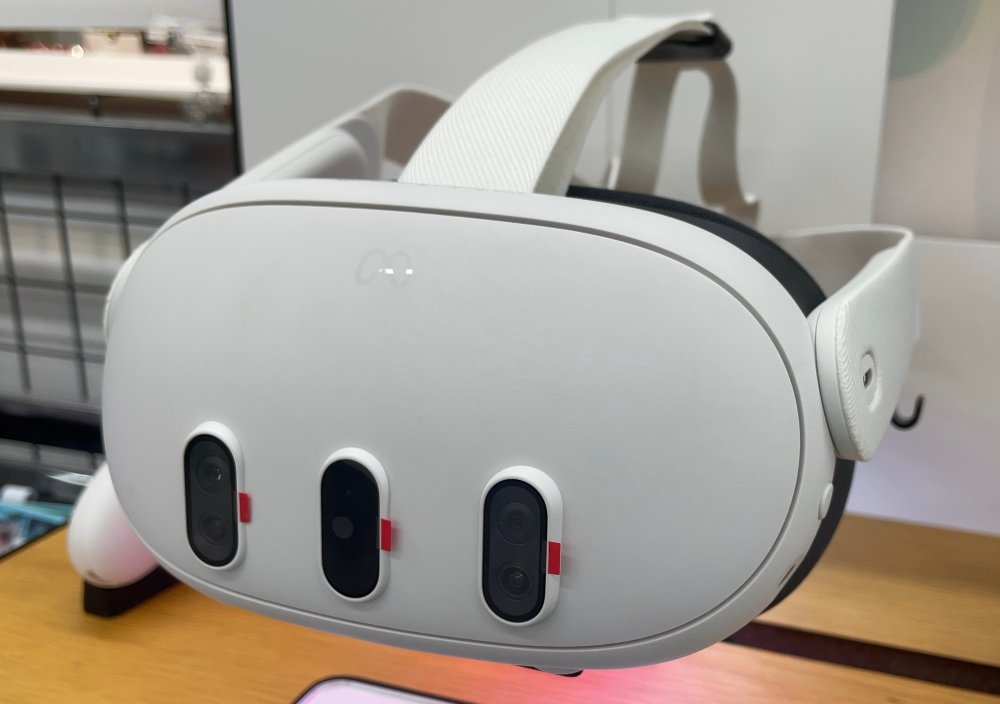
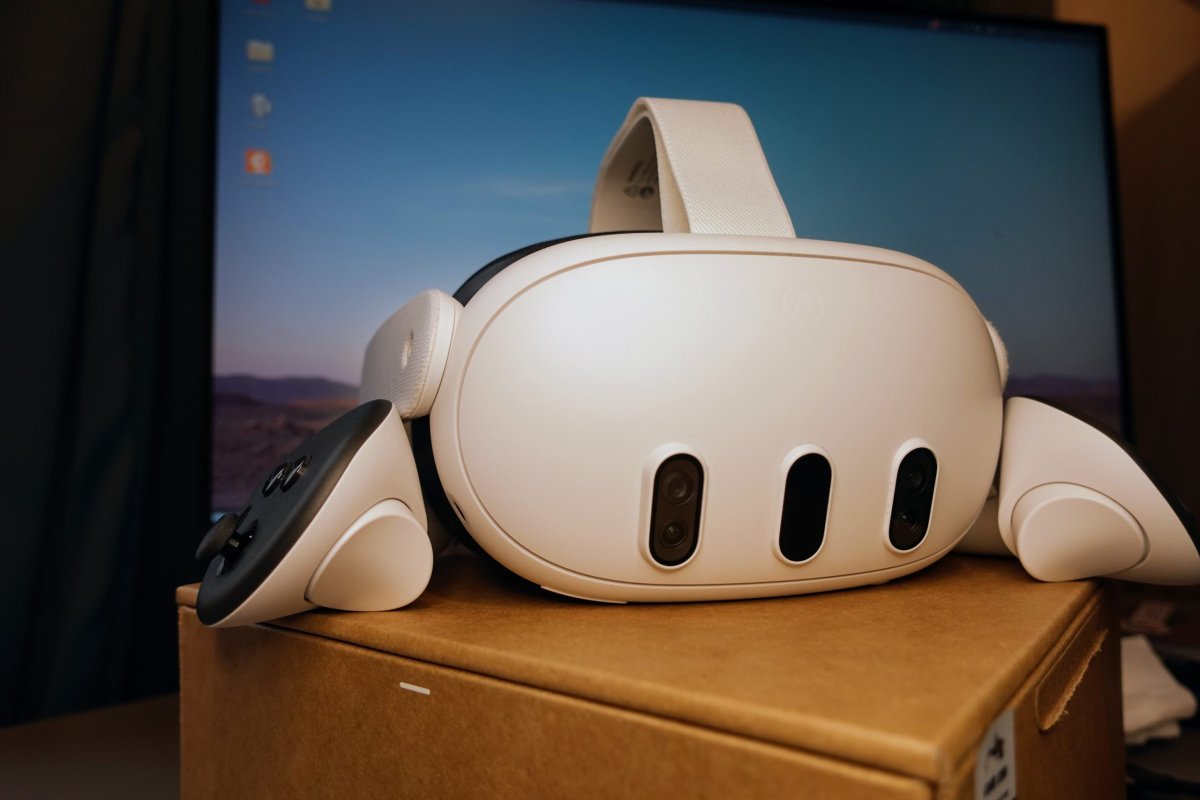
The Meta Quest 3 is a standalone VR/MR headset launched at the end of 2023, powered by the Snapdragon XR2 Gen 2 chip, equipped with 2064×2208 LCD screens per eye (up to 120 Hz) and a stereoscopic color pass-through supported by a depth sensor. It continues the legacy of the Quest 2 but makes a clear leap in performance, pancake optics, and mixed reality. (Sources: Meta, Wikipedia)
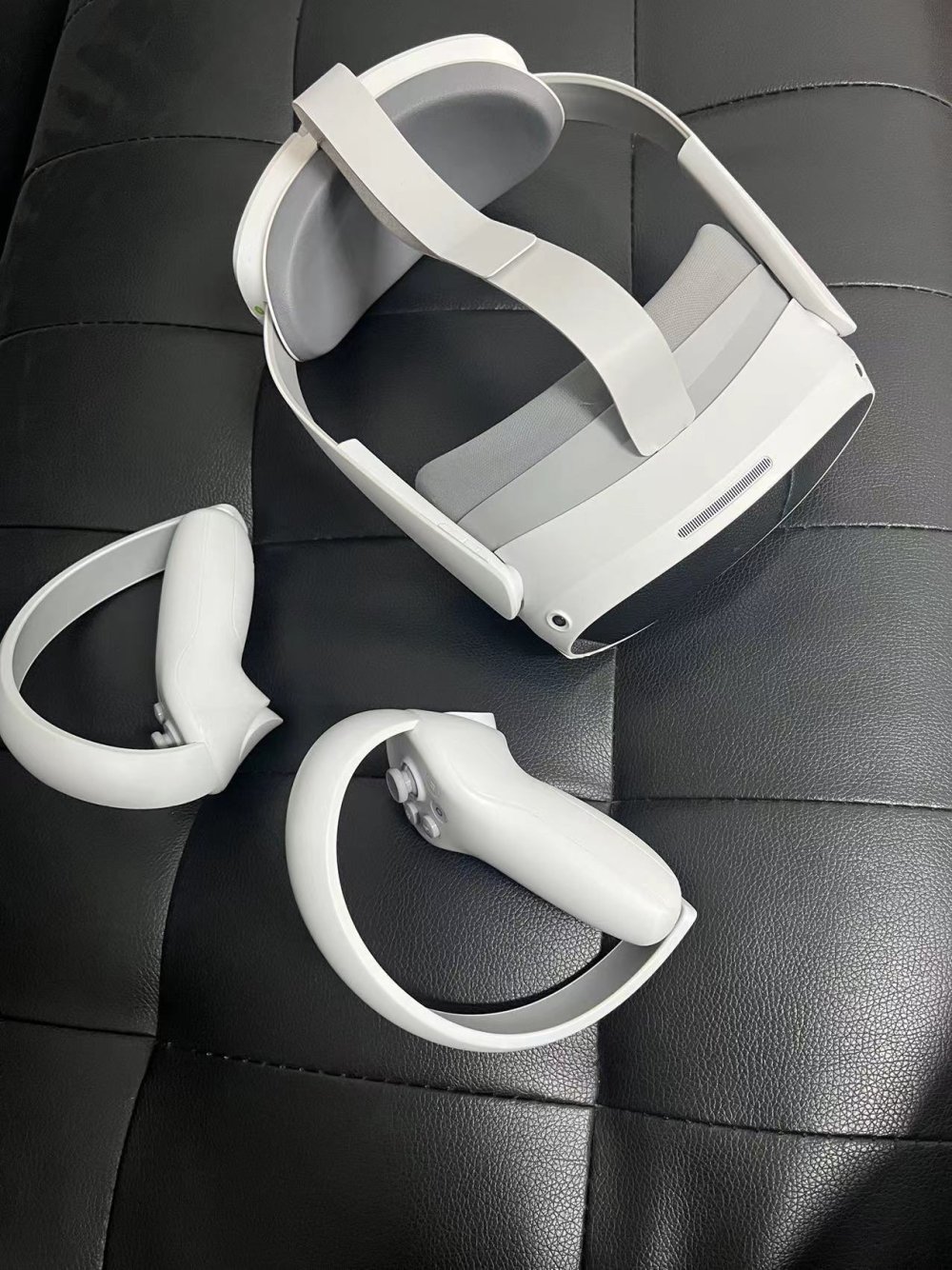
The Pico 4, released in 2022, is a competing standalone headset, highly appreciated for its comfort (battery at the back, good weight distribution) and its pancake lenses. It features 2160×2160 per eye up to 90 Hz, color pass-through, and a motorized IPD. It is mainly available in Europe and Asia and not officially sold in the United States. (Sources: PICO, Wikipedia, TechRadar)
Why this duel matters in 2025
In 2025, standalone VR has standardized around standalone headsets capable of running games and experiences without a PC, with increasingly credible mixed reality (color pass-through). The Quest 3 establishes itself as the “all-terrain” headset for the general public, while the Pico 4 remains a solid and affordable alternative in Europe, despite a less stocked app store. (Sources: Android Central, PhoneArena)
Key Figures & Comparison Table
| Feature | Meta Quest 3 | Pico 4 |
|---|---|---|
| SoC / RAM | Snapdragon XR2 Gen 2, 8 GB | Snapdragon XR2 (Gen 1), 8 GB |
| Display & Resolution | LCD 2064×2208 per eye | LCD 2160×2160 per eye |
| Refresh Rate | 90 to 120 Hz (Link up to 120 Hz) | 72 to 90 Hz |
| Optics | Pancake lenses | Pancake lenses |
| FOV (approx.) | ≈110° | ≈105° |
| IPD | 53–75 mm (dial) | ≈62–72 mm (motorized) |
| Pass-through / MR | Stereoscopic color + depth sensor | Color (decent quality, no dedicated depth) |
| Weight | ≈515 g | ≈586 g (rear battery, good balance) |
| Battery Life | ≈2–3 h | ≈2–3 h (5300 mAh) |
| Storage | 128 / 512 GB | 128 / 256 GB |
| PCVR | Air Link, Steam Link, Virtual Desktop | Pico Streaming Assistant, Virtual Desktop |
| Availability | Wide (including Europe) | Europe & Asia (no US sales) |
Sources: Wikipedia MQ3 • Meta • Wikipedia Pico 4 • PICO • TechRadar
Advantages & Disadvantages
Meta Quest 3: Strengths
- Superior power (XR2 Gen 2) for more detailed games and smoother MR. (Meta)
- Good definition color pass-through + depth sensor for convincing MR anchoring. (Wikipedia)
- Very rich ecosystem (Quest Store), simple PCVR compatibility (Air Link, Steam Link, Virtual Desktop). (Steam Link)
- 120 Hz supported in Link for PCVR. (OC3D)
Meta Quest 3: Limitations
- Average battery life (~2–3 h) and original strap could be improved (often upgraded with a battery strap).
Pico 4: Strengths
- Comfort and balance (rear battery), very pleasant pancake lenses. (TechRadar)
- Readable 4K+ resolution (2160×2160/eye), often competitively priced in Europe. (PICO)
- PCVR possible via Pico Streaming Assistant or Virtual Desktop. (PICO Community)
Pico 4: Limitations
- Smaller app store, some exclusives missing (e.g. Beat Saber standalone). (PhoneArena)
- Color pass-through OK but less sharp than the best MR references.
(XR Today)
Concrete usage examples
1) PCVR player (Simracing, flight sim, AAA VR)
Quest 3 + PC (Wi-Fi 6/6E): Steam Link and Air Link are free and effective; Virtual Desktop remains a reliable paid and very stable option. Performance and 120 Hz on Link make the difference for smoothness. (Sources: Steam)
2) VR “leisure / fitness” without PC
Pico 4 is perfectly suitable: comfort, perceived lightness, readability. Its store has improved but remains below the Quest Store in variety and exclusives. (Sources: TechRadar, PhoneArena)
3) MR content creation, AR prototyping
Quest 3 recommended: color stereoscopic pass-through and depth sensor facilitate occlusion and environmental understanding (automatic mapping, segmentation). (Wikipedia)
4) Professional deployments / training
Both can be suitable. Pico is appreciated in multi-station deployments (MDM management, simple side-loading), while Meta offers a larger application ecosystem. (Examples and datasheets: VR-Expert)
PCVR, tools & accessories
Wireless/wired PC connection
- Quest 3: Steam Link (official Valve), Air Link (Meta), Virtual Desktop (paid). (Source: Steam)
- Pico 4: Pico Streaming Assistant (official) + Virtual Desktop. (Source: PICO Community)
Useful accessories
- Battery strap (balance + autonomy), foam facepad, case, quality USB-C cable for the Link.
Comfort, audio, controllers
Comfort: the Pico 4 “hides” its weight with a rear battery and integrated rigid head strap, which better distributes the mass. The Quest 3 is a bit more “front-heavy” with the original strap, but third-party straps fix this. (TechRadar)
Controllers: Touch Plus (Quest 3) without ring, clean tracking and pleasant haptics. The Pico 4 controllers are comfortable, with precise tracking, but bulkier.
Ecosystems, games & content
The Quest Store is the richest store (games, fitness, creation, MR experiences). Mixed reality is particularly highlighted there (demos, MR games). The Pico Store is progressing, but several key licenses are still missing, which can weigh if you are looking for exclusives or a huge catalog. (Sources: Android Central, PhoneArena)
Prices & availability 2025
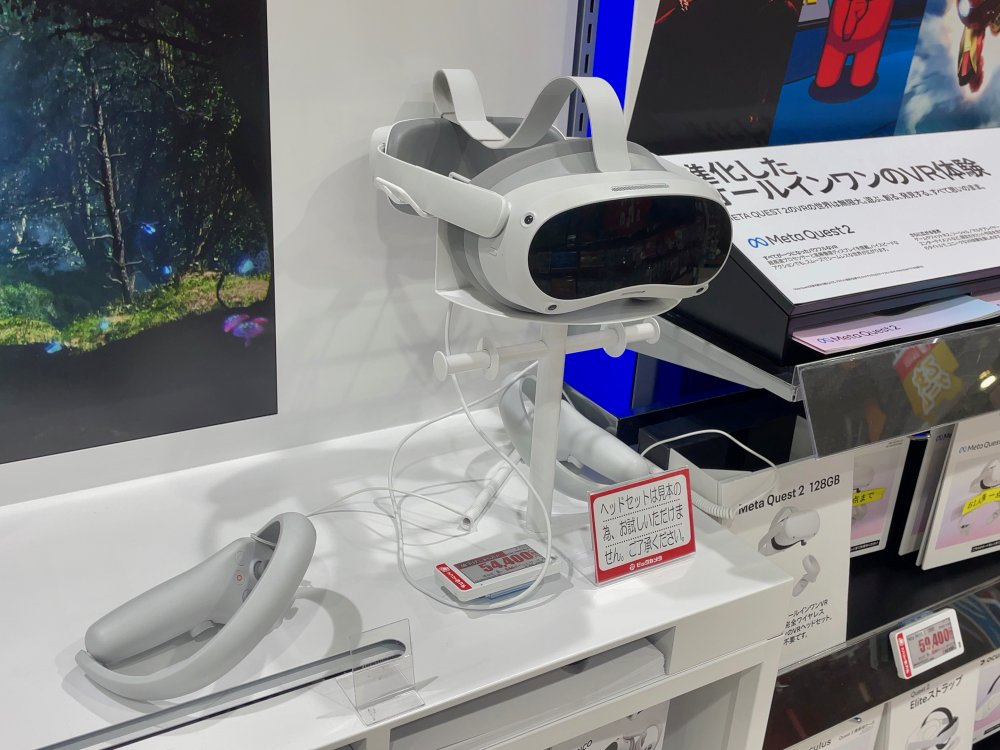
- Meta Quest 3: 512 GB model listed on the Meta website at $499.99 (indicative price, local variations). (Source: Meta)
- Pico 4: widely available in Europe/Asia (128/256 GB), not officially marketed in the United States. (Source: Wikipedia)
- Alternatives: Quest 3S (entry-level) and Pico 4 Ultra (refreshed in Europe) depending on offers. (Sources: Meta • UploadVR)
Verdict & recommendations
Choose according to your profile
- Gamer & creator (native VR + MR + PCVR): Meta Quest 3. Performance (XR2 Gen 2), 120 Hz on Link, stereo + depth pass-through, wider app selection.
- Leisure/fitness use on a budget: Pico 4. Very comfortable, sharp image, often aggressive pricing in Europe.
- Entry-level or family setup: take a look at the Quest 3S (cheaper, but screen/optics are downgraded). (Source: Wikipedia)
- Professional deployments: both are suitable. Pico shines on MDM/side-loading, Meta shines on catalog and MR.
In short: if you want “the best all-rounder” today, it’s the Quest 3. If you want “the best comfort/price ratio in Europe,” the Pico 4 remains a great deal.
Keywords & targeted SEO queries
Main: meta quest 3 vs pico 4, quest 3 pico 4 comparison, best vr headset 2025, standalone vr headset.
Long tail: quest 3 or pico 4 for pcvr, color pass-through difference, pico 4 availability europe, quest 3 steam link air link, pico 4 virtual desktop.
Synonyms/variants: standalone vr headset, mixed reality, color pass-through, pancake lenses.
FAQ
What is the Quest 3 color pass-through?
The Quest 3 has two high-definition color cameras and a depth sensor, allowing for more precise mixed reality (better room perception and occlusions). (Source: Wikipedia)
Does the Pico 4 also have color pass-through?
Yes, it offers a usable color pass-through, but it is generally considered less defined/reliable than that of the Quest 3 for advanced MR cases. (Sources: TechRadar, XR Today)
Which headset is more comfortable?
Many find the Pico 4 very comfortable thanks to its rear battery and weight distribution. The Quest 3 benefits from being equipped with a third-party battery strap to balance the front. (Source: TechRadar)
What about PCVR (SteamVR games)?
Quest 3: Air Link, Steam Link (official), and Virtual Desktop. Pico 4: Pico Streaming Assistant + Virtual Desktop. (Sources: Steam, PICO Community)
Is the Pico 4 sold in the United States?
No, the Pico 4 is officially marketed in Europe and Asia, not in the United States. (Source: Wikipedia)
Which competitors to watch in 2025?
Quest 3S (entry-level close to the Quest 3), and Pico 4 Ultra (refreshed in Europe/Asia). (Sources: Wikipedia, Road to VR)