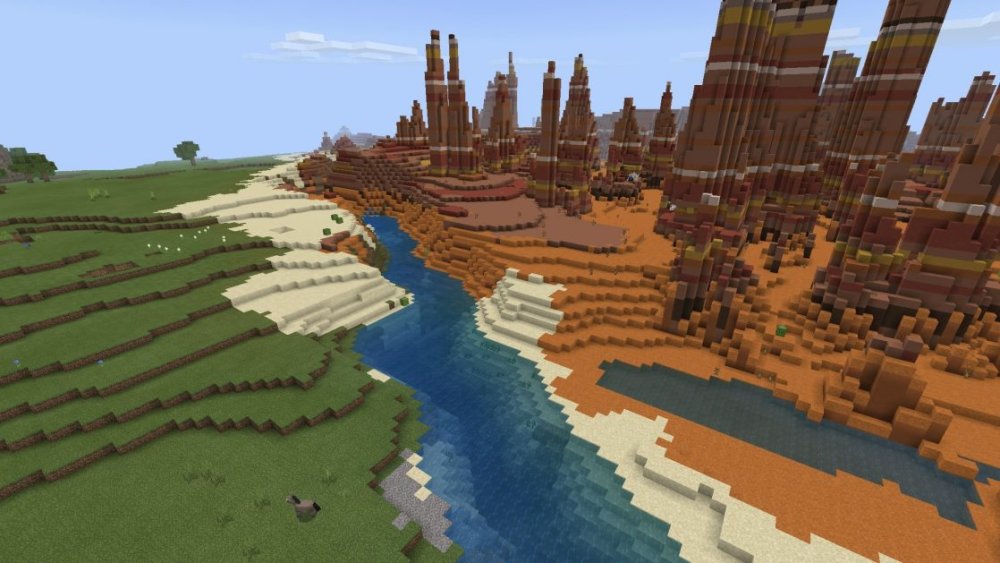
Minecraft: List of All Biomes in Minecraft
Biomes in Minecraft are places with diverse geographical features. Primarily, biomes in Minecraft separate each world generated by Mojang’s sandbox game into a whole new environment. In 2026, understanding biomes in Minecraft is still essential because they affect resources, weather, mobs, structures, and survival strategies across Java Edition and Bedrock Edition.
How many biomes are there in Minecraft?
There are about 79 biomes in Minecraft when you count Overworld, Nether, and End variants together. The exact total can vary by edition and update, but players generally track 67 Overworld biomes, 5 Nether biomes, 5 End biomes, and a few special additions.
There are about 79 different biomes, including 67 Overworld biomes, 5 Nether biomes, 5 End biomes, and 2 new biomes in Minecraft. Biomes are divided into five basic categories (lush, snowy, cold, dry, and oceanic). All these biomes can be enlisted on your server. Exploring multiple biomes is the pastime of all Minecraft players. To spice up your exploration, I will provide you with a complete list of biomes, including the biome ID. Use a biome finder to locate biomes you have not yet visited.
In practical terms, biomes affect much more than scenery. They influence weather, mob spawns, vegetation, surface blocks, village style, and sometimes access to unique resources. For example, deserts are useful for sand, cacti, and desert temples; jungles are ideal for cocoa beans, bamboo, and melons; and snowy biomes can help if you want ice, snow blocks, or polar bears. A player starting in a plains biome may be able to gather wood, wheat seeds, and animals within the first 10 minutes, while a player spawning in an ocean or badlands biome may need to travel several hundred blocks before finding trees or easy food.
If you play on Java Edition, biome IDs are especially useful for commands, custom maps, and server administration. For instance, operators sometimes use biome-related tools when creating adventure worlds, survival challenges, or roleplay servers. On large worlds, rare biomes may generate thousands of blocks away from spawn, so using a seed map or biome finder can save hours of searching. As of 2026, these biome references remain useful for players comparing older and newer Minecraft versions.
Here is the list of all the biomes available in Minecraft:
| Biome Name | Biome ID | Added in Version (JAVA) |
|---|---|---|
| Plains | 1 | 1.2.0 |
| Desert | 2 | 1.2.0 |
| Mountains | 3 | 1.2.0 |
| Forest | 4 | 1.2.0 |
| Taiga | 5 | 1.3.1 |
| Swamp | 6 | 1.7.2 |
| River | 7 | 1.2.0 |
| Nether | 8 | 1.16 |
| The End | 9 | 1.8 |
| Frozen Ocean | 10 | 1.8 |
| Frozen River | 11 | 1.13 |
| Snowy Tundra | 12 | 1.0.0 |
| Hills, Extreme Hills | 13, 17, 18, 19, 22, 28, 31, 33, 156, 161, 169 | 1.1 |
| Mushroom Fields | 14 | 1.0.0 |
| Mushroom Field Shore | 15 | 1.0.0 |
| Beach | 16 | 1.1 |
| Mountain Edge | 20 | 1.8 |
| Jungle | 21 | 1.2.1 |
| Jungle Edge | 23 | 1.2.1 |
| Deep Ocean Biome | 24 | 1.7.2 |
| Stone Shore | 25 | 1.7.2 |
| Snowy Beach | 26 | 1.0.0 |
| Birch Forest | 27 | 1.7.2 |
| Dark Forest | 29 | 1.7.2 |
| Snowy Taiga | 30 | 1.1 |
| Giant Tree Taiga | 32 | 1.3.1 |
| Wooded Mountains | 34 | 1.7.2 |
| Savanna | 35 | 1.7.2 |
| Plateau | 36, 39 | 1.13 |
| Badlands, Mesa Biome | 37 | 1.7.2 |
| Wooded Badlands Plateau | 38 | 1.13 |
| End Small Islands | 40 | 1.8 |
| End Midlands | 41 | 1.8 |
| End Highlands | 42 | 1.8 |
| End Barrens | 43 | 1.8 |
| Warm Ocean | 44 | 1.13 |
| Lukewarm Ocean | 45 | 1.13 |
| Cold Ocean | 46 | 1.13 |
| Deep Warm Ocean | 47 | 1.13 |
| Deep Lukewarm Ocean | 48 | 1.13 |
| Deep Cold Ocean | 49 | 1.13 |
| Deep Frozen Ocean | 50 | 1.8 |
| Desert Lakes | 130 | 1.2.0 |
| Gravelly Mountains | 131 | 1.1.0 |
| Flower Forest | 132 | 1.1.0 |
| Taiga Mountains | 133 | 1.3.1 |
| Swamp Hills | 134 | 1.7.2 |
| Ice Spikes | 140 | 1.10 |
| Modified Jungle | 149 | 1.2.1 |
| Modified Jungle Edge | 151 | 1.2.1 |
| Tall Birch Forest | 155 | 1.11 |
| Dark Forest Hills | 157 | 1.7.2 |
| Snowy Taiga Mountains | 158 | 1.0.0 |
| Giant Spruce Taiga | 160 | 1.3.1 |
| Gravelly Mountains+ | 162 | 1.7.2 |
| Shattered Savanna | 163 | 1.7.2 |
| Shattered Savanna Plateau | 164 | 1.7.2 |
| Eroded Badlands | 165 | 1.9 |
| Modified Wooded Badlands Plateau | 166 | 1.9 |
| Modified Badlands Plateau | 167 | 1.9 |
| Bamboo Jungle | 168 | 1.14 |
| Soul Sand Valley | 170 | 1.16 |
| Crimson Forest | 171 | 1.16 |
| Warped Forest | 172 | 1.16 |
| Basalt Deltas | 173 | 1.16 |
What are the ocean biomes in Minecraft?
Ocean biomes in Minecraft are water-heavy regions that contain shipwrecks, ocean ruins, buried treasure, coral, and monuments. They are important for exploration, transport, and loot. Warm, cold, deep, and frozen ocean variants each change visibility, resources, and the level of danger for survival players.
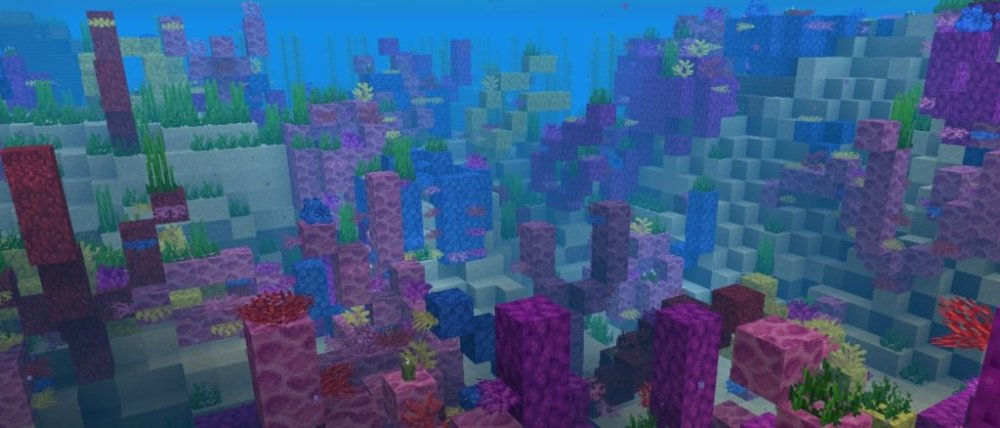
Ocean biomes are a common aquatic biome made up of water and loot.
You can go to a depth of about Y=45 if you explore the ocean. The ocean biome is famous for its underwater ruins and ocean monuments with an incredible appearance. Here, you can easily find buried treasure or a spawn piece. The ocean floor is made of gravel, at a depth of 30 blocks. Thus, underwater adventure is much more difficult in this biome. The ocean biome contains underwater ruins that range from large villages to simple ruined huts depending on their sizes. They are ordinary and come in cold and warm variations. Ocean biomes are the best place for loot. Seeing loot in ocean ruins is a miracle. The ocean biomes are as follows: warm ocean, hot ocean, deep ocean, deep warm ocean, cold ocean, deep cold ocean, frozen ocean, and deep frozen ocean. Ocean biomes generally extend up to 30,000 blocks. About 60% of the Overworld Biomes is covered by ocean biomes.
For players in survival mode, oceans can be both rewarding and dangerous. Warm oceans are excellent for spotting coral reefs and tropical fish, while deep cold and frozen oceans can limit visibility and mobility. Ocean monuments are among the biggest reasons to explore these biomes because they contain sponge rooms, gold blocks, and hostile guardians. If you want prismarine, sea lanterns, or sponges for a large build, an ocean monument raid is usually worth the risk. Buried treasure can also be very profitable early in a world, often rewarding a Heart of the Sea, iron ingots, TNT, cooked fish, and gold.
A practical example: if you spawn near a coast, crafting a boat in the first 5 minutes can let you scout several hundred to several thousand blocks much faster than walking. Shipwrecks are especially useful early on because they may contain maps, food, emeralds, iron, and armor pieces. However, breathing underwater is the biggest challenge. Doors, magma blocks, respiration helmets, and water-breathing potions can make ocean exploration much safer.
What makes the swamp biome useful in Minecraft?
The swamp biome in Minecraft is best known for slime spawning, witch huts, sugar cane, and unique plants like blue orchids and lily pads. It is a practical biome for redstone players and builders because slimeballs, vines, mushrooms, and easy surface resources can all be gathered there.
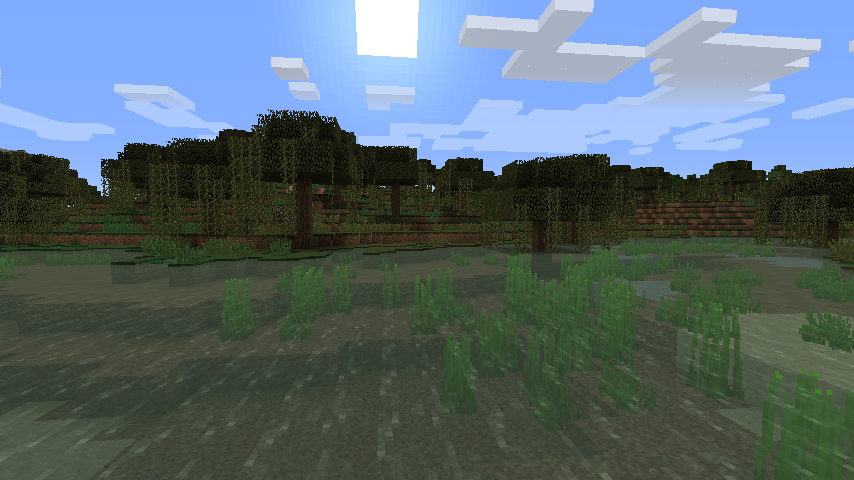
The Swamp Biome is special for slime breeding. This place has a good amount of most types of resources. You can find several mushrooms there. In the Swamp Biome, you always see pigs and sheep living. There is also a scary part for these spooky swamp biomes. You will see tons of witch huts. Witches also spawn in this biome. So be careful at night if you are in survival mode. Chickens are always available in this biome, so you will never lack protein. Witch huts, blue orchids, and lily pads only appear in this biome. If you need sugar cane, the swamp biome is always the best-considered source. It is only in the swamp biome that slimes spawn at night. However, you might not be able to see them properly because they drown since they don’t have enough water to swim. The swamp biome is the wettest and muddiest biome you can see. So forget about camping in this place. Also use the Minecraft kill command to stay away from hostile monsters.
Swamps are much more useful than they look. Many players visit them specifically to build a slime farm, because slimes can spawn on the surface in swamps between certain moon phases and light conditions. That means you do not always need to dig deep underground to farm slimeballs. Slimeballs are essential for sticky pistons, leads, magma cream, and redstone contraptions, so a swamp can become a long-term resource zone for technical players.
A swamp is also a strong biome for utility gathering. You can collect vines, mushrooms, clay from nearby shallow water, lily pads for decoration, and plenty of sugar cane along the edges. If you are making books, maps, rockets, or an enchanting setup, sugar cane matters more than many beginners expect. The main drawback is visibility and terrain: shallow water, dark grass, and irregular islands make travel slow. A good strategy is to place wooden walkways or use a boat to move through flooded sections quickly.
Why is the jungle biome important in Minecraft?
The jungle biome in Minecraft is important because it gives players access to cocoa beans, melons, bamboo, jungle wood, ocelots, pandas, and jungle temples. It is resource-rich but difficult to navigate, making it both rewarding and challenging for explorers, builders, and long-term survival players.
The jungle biome is mainly known for its jungle trees, jungle wood, ocelots, cocoa, and melons. This place has several jungle temples where you can get a good amount of great loot. You can get lost in this place at night because it becomes really dark and confusing due to the large jungle trees. You can find items like diamond horse armor, bones, gold ingots, etc. here. The jungle is also one of the best places to gather wood quickly because the trees are huge and tightly packed. Bamboo jungles are especially valuable if you want scaffolding, fuel, or a panda habitat. In long survival worlds, jungles are popular for colorful builds because jungle wood, leaves, and vines create a unique tropical style.
From a practical standpoint, a jungle can be frustrating for new players. The terrain is uneven, the leaf cover is thick, and hostile mobs can hide in dark spaces under trees. If you plan to stay here, carry a bed, plenty of torches, and a map or coordinates. Many players also build tree bridges 10 to 20 blocks above ground so they can move safely without getting trapped in dense vegetation. Jungle biomes are also one of the easiest places to farm cocoa beans, which are needed for brown dye and cookies.
What is a Jungle Temple in Minecraft?
Jungle temples are structured temples made of mossy cobblestone found only in the jungle biome. To enter a Jungle Temple, you must find the temple entrance. Cocoa beans are essential for creating food recipes. It’s good that you can harvest cocoa beans quickly. The best place where you can get melons is the jungle biome. If you are lucky, you can also find several melons together. Jungle trees are so close to each other that it is dark enough for hostile monsters to spawn in this biome.
A jungle temple usually contains two chests, simple redstone traps, and a puzzle mechanism hidden behind levers. The loot is random, but common rewards include bones, rotten flesh, bamboo, iron ingots, gold ingots, enchanted books, and occasionally horse armor or emeralds. It is not the richest structure in the game, but it is still worthwhile in the early game when even a few iron ingots or arrows make a difference.
If you find one, do not rush inside. There is often a tripwire trap connected to dispensers that can fire arrows, and another hidden mechanism deeper in the structure. Breaking the tripwire or collecting the redstone components is often safer than trying to solve the trap while under pressure. For beginners, jungle temples are a good introduction to Minecraft’s redstone puzzle style without being as dangerous as bastions or ancient cities.
What can you find in desert biomes in Minecraft?
Desert biomes in Minecraft are valuable for villages, temples, sand, sandstone, cacti, and fast exploration. Their open terrain makes structures easier to spot from far away. They are especially useful early in survival because a single desert can provide loot, glass materials, and village resources quickly.
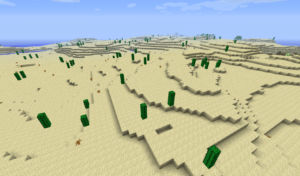
There are many desert villages here and you can also find some temples. This biome consists of sand dunes and sandstone. You may encounter sugar canes and cacti. This biome has the least precipitation. And there is a lack of water in this place. The desert biome is the heart of loot hunting. This is because biomes like this have desert temples. A desert is also a good place for fast travel and easy exploration because the open terrain gives you clear sightlines. You can often spot villages, wells, temples, and exposed caves from far away without climbing hills or cutting through forests. That makes the biome very efficient for players who want a quick early-game route.
Deserts are also useful for gathering huge amounts of sand, which can be smelted into glass for windows, greenhouses, beacons, and trading halls. Cacti are another practical resource because they can be farmed automatically for green dye and experience if connected to furnaces or composters. The main challenge is survival. Food can be limited if you do not reach a village quickly, and there are few trees unless the desert borders a plains or savanna biome. If you spawn in a desert, collecting dead bushes for decoration, grabbing hay bales from a village, and finding a nearby river are often your best first steps.
What are desert temples in Minecraft?
Desert temples are structures in Minecraft that are full of treasures and are only found in desert biomes. It takes three types of sandstone to form a desert temple, sandstone stairs, and orange and blue terracotta. All materials have a specific meaning. The towers you see at the front with the orange terracotta formation resemble an Egyptian symbol, the Ankh. The desert temple contains a blue terracotta block in the center, and if you break this block, you will reveal a treasure room containing 4 chests with treasure inside. You can easily find Minecraft saddles here.
The most important thing to remember is that the treasure room is trapped. Under the blue terracotta is a stone pressure plate, and beneath it is TNT. If you drop straight down and step on the plate, the explosion can destroy the loot and kill you. The safest method is to dig down from the side, break the pressure plate first, and then open the four chests one by one. For an early survival player, a single temple can provide enough gold, iron, bones, gunpowder, and enchanted books to speed up the first hour of gameplay dramatically.
Desert temples are one of the best early-game structures because they are easy to recognize and usually quick to clear. If you combine desert temple hunting with village exploration, you can often leave the biome with food, beds, armor, and valuable loot in less than 20 to 30 minutes.
What is the mesa biome in Minecraft?
The mesa biome in Minecraft, now commonly called badlands, is a rare biome made of layered terracotta, red sand, plateaus, and canyons. It stands out for fast gold ore access, exposed mineshafts, and colorful building materials that many players collect for decorative or large-scale projects.
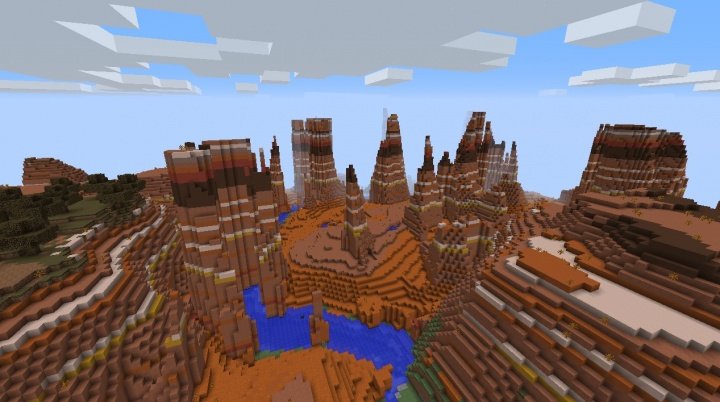
This biome is one of the rarest biomes you can find in Minecraft. You can find gold ores very quickly in this biome. This biome is a bit different from most others and the only place that looks orange.
What is the Mesa biome in Minecraft?
Mesa is similar to the desert biome but full of canyons and composed of red sand, cacti, dead bushes, and plateaus where red sands are the only thick layers. The difference will be clearly visible to you if you ever visit the desert. Bryce is redder or more orange than the normal desert. In this biome, you will notice canyons, which exist only in this region. You will also see Mesa plateaus made of hardened clay blocks. The structures are known as plateaus. Plateau F, Plateau M, and Plateau F M are the best-decorated canyons of the Mesa biome.
One reason many players love the mesa, now more often called badlands, is efficiency. Gold ore generates more frequently here than in many other Overworld biomes, which makes the area excellent for mining powered rails, golden apples, and trading resources. Abandoned mineshafts also commonly generate above ground in badlands, which is unusual and extremely useful. Instead of digging underground, you may spot wooden supports and rails exposed on canyon walls. That gives you early access to rails, cobwebs, minecarts, and cave exploration.
From a building perspective, mesa biomes are among the most visually unique in Minecraft. The layered terracotta comes in multiple colors naturally, saving hours of dyeing and smelting if you want warm-toned builds. A player making a western town, canyon base, or desert fortress can gather stacks of orange, white, brown, and yellow terracotta in one trip. The downside is that wood, animals, and water are limited unless the biome borders a river, forest, or wooded badlands plateau.
What is the covered forest biome in Minecraft?
The covered forest biome in Minecraft, also called the dark forest, is a dense woodland filled with dark oak trees, mushrooms, and occasional woodland mansions. It is useful for dark oak wood and atmospheric builds, but its low light levels make hostile mob spawns more common.
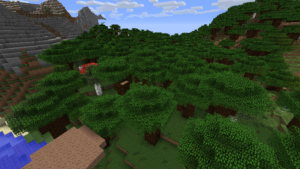
This place is filled with dark oaks, and you can harvest a lot of wood in this biome. You can also find mushrooms here. Many people say there is a forest mansion here, but I have not found one. This place is an ideal spot to make any secret base. This forest is also known as the Dark Forest because of the density of the trees and oaks growing in this biome. Roofed biomes resemble the Darkwood biome.
This is the only place where you can find large mushrooms, apart from the Mushroom Island biome. The covered forest is valuable because dark oak wood is only naturally available here. If you enjoy darker palettes for castles, medieval houses, or large roofs, this biome becomes almost mandatory. The thick canopy also keeps the ground relatively dark during the day, which creates a dramatic atmosphere but also allows hostile mobs to spawn more often than in open forests.
Woodland mansions can generate in this biome, although they are rare and often thousands of blocks from spawn. If you locate one, it can be a major mid-game challenge because vindicators and evokers inside are dangerous. In return, you can collect totems of undying from evokers, a reward that can save your life later in survival mode. For everyday use, dark forests are strong base locations for players who want privacy and natural mob cover, but you should light the area heavily or clear trees around your house to stay safe.
What is special about the ice spikes plains biome in Minecraft?
The ice spikes plains biome in Minecraft is special because it generates tall packed-ice pillars, snowy terrain, and rare winter scenery. Players visit it for decoration blocks, frozen-themed builds, and fast ice-road transport. It is beautiful but harsh as a starting biome due to limited food and wood.
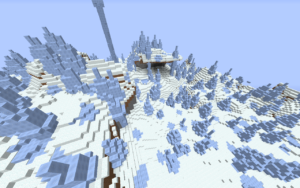
Snowy biomes are also another rare version of the tundra biome. Most places are covered with ice, giving a white color. There aren’t many animals here. You can find polar bears and rabbits in this biome. You can find villagers living in igloos here. Use the Biome Finder app to easily locate this rare biome. Besides the Mesa biome, the ice plains biome is the rarest of all. Its main feature is packed ice, which is different from regular ice. Extreme cold hills are also included in the cold biomes. The number of hostile monsters is somewhat reduced in this biome.
The most striking feature of the ice spikes biome is the tall natural pillars of packed ice, which can rise dozens of blocks into the air. Packed ice is especially useful because it does not melt from nearby light sources like regular ice. Players often collect it for decoration, frozen-themed builds, or high-speed transportation systems. When combined with boats, packed ice and blue ice can create very fast travel roads across large distances.
This biome is beautiful, but it can be harsh as a starting location. Trees are uncommon nearby, food sources are limited, and visibility during snowfall can make navigation difficult. If you plan to build here, bring wood, crops, and torches from another biome. A practical use case is building an ice castle or winter village where the spikes themselves become natural towers or walls. Because the biome is visually rare, many players keep coordinates when they find one and return later for large decorative projects.
Why are plains biomes good in Minecraft?
Plains biomes in Minecraft are good because they offer flat land, clear visibility, animals, villages, and easy expansion. They are among the best starting areas for survival mode, especially for building farms, breeding villagers, and creating large bases without heavy terraforming.
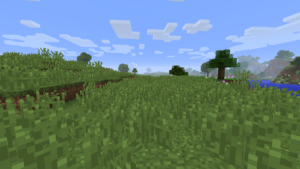
If you like horses, then this is the best plains biome for you. It is the most common biome to find in Minecraft. You can build whatever you want because there is vast space. This biome is best for survival mode. All roaming and survival experiences in Minecraft are done in this biome. You can also build a mansion, breed villagers, and use several command keys to do exciting things. Use Village Finder to locate a village and breed them. You can also trade emeralds and other types of items with the merchants in this place.
Plains are often considered the best beginner biome for a reason. The open terrain makes it easy to spot villages, caves, ponds, animals, and hostile mobs before they reach you. If you start a new world and spawn in plains, you can usually collect wood from a nearby forest edge, gather sheep, cows, pigs, or chickens, and establish a starter house in less than one in-game day. Wheat farms also work very well here because there is plenty of flat land to organize crop rows and fenced animal pens.
For long-term worlds, plains remain useful because they are easy to terraform. Want a mega-base, automatic villager breeder, iron farm, or trading hall? A plains biome gives you room without needing to level mountains or remove dense trees. Villages are also common here, so players who enjoy trading can create an efficient emerald economy very early.
Why should you explore extreme hills in Minecraft?
Extreme hills in Minecraft, now usually grouped with mountain biomes, are worth exploring for dramatic terrain, exposed stone, scenic building spots, and emerald ore. They are excellent for players who enjoy vertical bases, cliffside builds, and mountain exploration, but movement and fall damage can be challenging.
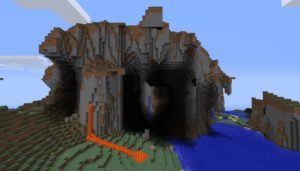
Extreme hills are the place where you will never be bored. This place is full of secrets and also has many fountains. It is part of the list of the rarest biomes. I like how lava and fountains flow from the high mountains here. Moreover, there are no hostile monsters in this biome. Extreme hills in Minecraft are amazing for a specific reason. You can find emerald ores only in this biome. Trade the emerald ores with village merchants for a bundle of cash. Besides emerald ores, spruce trees grow abundantly in this biome.
Extreme hills, now usually referred to as mountain biomes in newer updates, are ideal for players who like vertical building and dramatic scenery. The terrain naturally creates cliffs, overhangs, waterfalls, and elevated viewpoints that are perfect for castle builds, cliff houses, sky bridges, and hidden cave bases. These biomes also contain a lot of exposed stone, coal, and iron, which helps if you are collecting building material quickly without strip mining.
The most practical reason to visit is emerald ore. In survival gameplay, emerald ore is rare and generally tied to mountainous terrain. Even though trading is still the main source of emeralds, finding naturally generated emerald ore is a fun bonus and makes mountain exploration worthwhile. One challenge, however, is mobility. Climbing steep slopes costs hunger, and falling can be fatal without feather falling boots, water buckets, or careful path building.
Why is the flower forest biome useful in Minecraft?
The flower forest biome in Minecraft is useful for collecting dyes, flowers, bees, wood, and decorative resources. It is one of the most attractive and peaceful Overworld biomes, making it ideal for cottage-style builds, bee farms, and colorful survival bases with easy access to natural beauty.
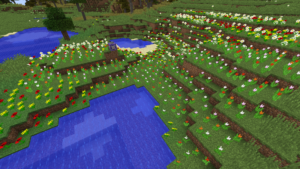
This biome is one of the most attractive. It is filled with trees and flowering plants. Oaks and birches grow abundantly. The flower biome is full of different types of animals. I love its rugged terrain. You can also find caves here. This new biome was recently added in the latest version of Minecraft. There are four types of Flower Biomes and they are: Flower Forest, Flower Hills, Flower Hills M, and Flower M. The Flower Biome resembles the Birch Biome because of the density of trees and aromatic flowers. You can only find tulips in this flower forest biome. There is also a sub-biome attached to another biome known as the sunflower plains.
Flower forests are not just pretty; they are extremely practical for dye farming and bee-based builds. Since so many flowers generate naturally, you can collect red, yellow, white, pink, and orange dyes much faster here than in most other biomes. Players building colorful wool farms, stained glass projects, or decorative gardens often return to flower forests repeatedly for supplies. Bees and beehives also fit naturally into this environment, making it a great location for honey and honeycomb production.
If you enjoy peaceful survival or cottagecore-style builds, this biome is one of the best home locations in the game. It offers wood, flowers, animals, and pleasant terrain without the danger of swamps or dark forests. A simple practical setup here would be a bee farm, sheep pen, and windmill surrounded by flower fields.
Why is the mushroom island biome so rare and safe in Minecraft?
The mushroom island biome in Minecraft is rare and safe because hostile mobs generally do not spawn there naturally. It is famous for giant mushrooms, mooshrooms, and peaceful base-building. Many players consider it one of the best locations for secure survival projects and late-game farms.
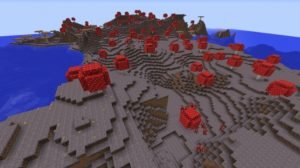
The mushroom biome is one of the newest biomes of all time. There are giant mushrooms and a lack of hostile monsters all around this place. You can also collect many small mushrooms here. You can find animals, but it is rare to find villagers here. The Mushroom Island biomes are the most beautiful and resource-rich in Minecraft.
This biome is famous because hostile mobs generally do not spawn there naturally, which makes it one of the safest places in the Overworld. For that reason alone, many players dream of finding one and turning it into a secure base location. If you want to build large farms, storage systems, or an open village without constant monster interruptions, a mushroom island is almost perfect.
The main native mob here is the mooshroom, a special cow variant that can provide mushroom stew and be bred like normal cows. If struck by lightning, a mooshroom can even change variant. The drawback is isolation: mushroom islands are often surrounded by large oceans, so reaching them can take time and transporting villagers or large amounts of materials can be inconvenient. Still, for safety and uniqueness, few biomes can compete.
What are tundra biomes in Minecraft used for?
Tundra biomes in Minecraft are mainly used for gathering snow, ice, and winter-themed scenery. They are cold, open, and low in vegetation, which makes them less ideal for early survival but excellent for arctic builds, snow villages, and decorative projects in long-term worlds.
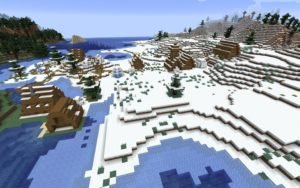
Tundra biomes are snowy and barren terrain biomes, without trees. Although you can find ice in this biome above the water, it is completely different from the frozen plains biome. Snow is the common weather in tundras with less precipitation. You will find some rabbits and a couple of polar bears in this biome.
A tundra biome can feel empty at first, but it is useful for players who want snow, ice, and a true winter atmosphere. Because trees are scarce, it is not the easiest biome for a first base unless a taiga or plains biome is nearby. However, once you bring in saplings and supplies, tundra can become a beautiful location for a snow village, fortress, or arctic outpost. Snow layers also make it easy to create seasonal builds and pathways.
In survival terms, the biggest challenge is resource balance. Food and wood are limited, and nighttime travel across open snowy terrain can expose you to skeletons and strays. A smart approach is to use tundra as a secondary biome for gathering snow blocks, ice, and scenery rather than as your only early-game resource zone.
Why is the taiga biome good for survival in Minecraft?
The taiga biome in Minecraft is good for survival because it provides spruce wood, animals, sweet berries, wolves, foxes, and villages. It offers a balanced mix of food, building materials, and atmosphere, making it one of the strongest biomes for both starter homes and long-term bases.
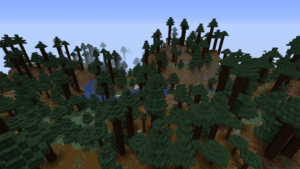
The taiga biome is a flat biome covered with spruces.
Ferns and berry bushes commonly grow in this region. You can find packs of wolves, foxes, and rabbits in this biome. You can find villages in this biome. The village houses are built from spruce wood. This biome can be classified into cold taiga, wooded taiga, and mega taiga. You can also place the cold taiga in the cold biomes section. Taiga biomes are not adjacent to another biome.
Taiga is one of the most balanced biomes in Minecraft. It offers easy access to wood, animals, sweet berries, and villages, making it an excellent place for a survival base. Sweet berry bushes are especially useful during the first hour of play because they provide renewable food without requiring farmland. Wolves can also be tamed here with bones, giving players early companions for combat or exploration.
Mega taiga variants are even more interesting because they feature giant spruce trees, coarse dirt, podzol, and larger terrain changes. Podzol is a decorative block many builders specifically travel here to collect. Spruce wood also fits extremely well with mountain, medieval, and rustic themes, so taiga is popular for long-term builds as well as simple starter homes.
What makes the savanna biome different in Minecraft?
The savanna biome in Minecraft stands out for acacia trees, dry grass, llamas, horses, and warm colors. It is useful for modern or desert-style builds and offers good visibility for survival. Shattered savanna variants are especially notable for their steep, dramatic terrain formations.
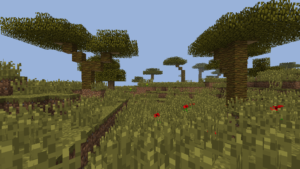
This biome is characterized by dull, dry grass, dark oaks, and acacias. Horses and llamas naturally spawn here. There are also scattered savanna biomes with tall hills that are too steep. It is impossible to climb this mountain at a 90-degree angle. You can encounter birches and sugar cane in this biome.
The savanna is best known for acacia wood and its warm, dry color palette. Acacia planks and logs are unique enough that many builders seek out this biome specifically for modern houses, desert towns, or contrast in mixed wood palettes. The flatter versions of savanna are also decent starting locations because visibility is good and animals are easy to spot from a distance.
Shattered savanna variants are much more dramatic, with extreme slopes and unusual terrain formations that almost look glitched in a good way. These are excellent places for creative cliff bases or hanging bridges, but they can be awkward for farming and movement. If you settle here, flatting a build platform or using stilts can save a lot of effort.
What is the stone shore biome in Minecraft?
The stone shore biome in Minecraft is a narrow transitional biome where mountains meet the ocean. It usually appears as rocky coasts or steep cliffs. While not a major destination biome, it is excellent for scenic harbor builds, cliff bases, and quick stone gathering.
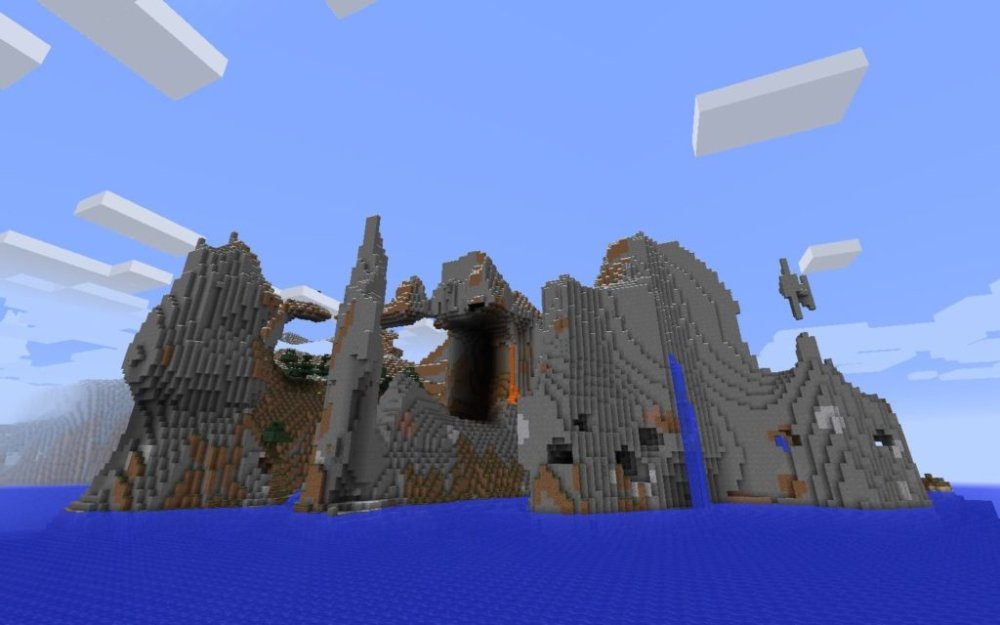
The stone shore biome appears where mountain biomes meet the ocean. Stone shores appear as medium shores or huge cliffs, depending on the height of the neighboring lands. No sand blocks, no dark forest, and no passive monsters are often generated or naturally spawned in this biome. This biome resembles a mix of mountain biome and floating islands. These biomes are generally very small. You will not find giant mushrooms on this cliff. Apart from all these biomes, there are five Nether biomes and five End biomes. You will find the Ender Dragon when you visit the End cities.
Stone shores are not usually the first biome players look for, but they can be great for scenic builds. The combination of exposed stone, steep drops, and ocean access makes them ideal for lighthouses, cliffside fortresses, docks, or hidden smuggler-style bases. Because there is little sand and relatively little vegetation, the biome has a harsh, clean look that works well for dramatic architecture.
In gameplay terms, stone shores are transitional biomes rather than destination biomes. You usually pass through them while traveling between mountains and oceans. Still, they are useful for collecting stone quickly and for building secure perimeters, since the cliffs naturally limit movement. If your world has a mountain base near the sea, a stone shore can become the perfect harbor zone.
What are the most common questions about biomes in Minecraft?
Players often ask about the rarest biome, the main biome categories, and the number of ocean biomes in Minecraft. These questions matter because biome rarity affects exploration, while biome type affects loot, travel, building style, and the resources available in a survival world.
Question: What is the rarest biome in Minecraft?
Answer: The modified jungle edge is the rarest biome. This rare biome is generated when the jungle edge meets the swamp forest. There are many acacias in these new biomes. Because the generation conditions are so specific, many players never encounter it in normal survival without using a seed map. In some worlds, it can be thousands of blocks from spawn, which is why explorers often rely on biome finder tools to confirm its location.
Question: What are the 5 basic biomes?
Answer: The five main basic biomes are aquatic, plains, forest, desert, and tundra. These broad groups are useful because they describe how a biome generally behaves. For example, aquatic biomes focus on water travel and underwater structures, while tundra biomes are colder, snow-covered, and much more limited in vegetation. Understanding these categories helps you decide where to gather resources and where to build.
Question: What are the 7 ocean biomes in Minecraft?
Answer: The seven ocean biomes are: warm ocean, lukewarm ocean, cold ocean, deep warm ocean, deep lukewarm ocean, deep cold ocean, and deep frozen ocean. Some lists also mention standard ocean separately, depending on game version and biome naming. The main difference between them is temperature, water color, depth, and the types of structures or sea life you are likely to find.
What should you remember about all biomes in Minecraft?
All biomes in Minecraft matter because each one changes how you gather resources, build structures, find mobs, and progress in survival. Plains and taiga help beginners, deserts and oceans offer loot, and rare biomes like badlands or mushroom islands give memorable advantages and unique scenery.
Exploring Minecraft biomes is a must for all Minecraft players. It provides an immense experience of exploring the beautiful world of Minecraft. Apart from all the biomes listed in this post, you will also find biomes called Lush Biomes. Lush Biomes are only available in Mods.
The best biome for you ultimately depends on your playstyle. If you want a safe start, choose plains or taiga. If you care about loot, deserts and oceans are hard to beat. If you enjoy rare scenery, look for badlands, mushroom islands, or ice spikes. And if building is your main goal, every biome offers a different palette of blocks, weather, and natural terrain.
A useful habit is to write down coordinates whenever you discover a rare biome or important structure. In a long survival world, having access to several biome types within a few thousand blocks can save you dozens of hours gathering materials. Minecraft becomes much richer when you stop seeing biomes as background scenery and start using each one for its strengths. At this time in 2026, that is still one of the best ways to get more out of Minecraft exploration on PC, console, and mobile.