Here is the complete and up-to-date list of Minecraft biomes, sorted by dimension and by families, with definitions, uses, and exploration tips. Data verified with official sources.
TL;DR: Overworld: forests, jungles, deserts, plains, mountains, swamps, rivers/beaches, oceans, caves (Lush/Dripstone/Deep Dark), and recent variants (Cherry Grove, Pale Garden). Nether: Wastes, Crimson, Warped, Basalt Deltas, Soul Sand Valley. End: The End, Highlands, Midlands, Barrens, Small End Islands.
Definition, types, and search intent
A biome is an area of the world generated with a specific climate, vegetation, colors, and spawn tables. Biomes guide the shape of the terrain, natural blocks, structures, and hostile/passive fauna. Minecraft groups its biomes by dimension: Overworld, Nether, and The End. Added to this are sub-families: plateaus, forests, jungles, swamps, arid lands, mountains/peaks, rivers/beaches, oceans, and cave biomes.
Since modern updates, generation uses a “climate” system (temperature/humidity/erosion) to logically chain plains, deserts, or forests, while distributing rare biomes like Mushroom Fields or icy peaks. Regional variants complete the set (e.g., Windswept for hills, Old Growth for ancient taigas).
Important point: Java and Bedrock share nearly all biomes, with marginal generation differences. Cave biomes (Lush Caves, Dripstone Caves, Deep Dark) coexist beneath surface biomes and modify spelunking, resources (clay, dripstone, sculk), and difficulty (Warden).
Overworld Biomes: list and uses
The Overworld concentrates the majority of playable surface biomes, with strong altitude and climate variations. Below is the list by families with typical uses and notable resources.
Forests and Woodlands
- Forest; Flower Forest; Birch Forest; Dark Forest; Old Growth Birch Forest; Taiga; Snowy Taiga; Old Growth Pine Taiga; Old Growth Spruce Taiga; Pale Garden (new eerie woodland area, pale vegetation and specific threats).
Uses: various woods, flowers (dyes) in Flower Forest, giant mushrooms and dark wood in Dark Forest. The “Old Growth” versions provide larger trunks and a dense canopy. Pale Garden adds pale decorative blocks and a risk/reward loop for nighttime exploration.
Plains, prairies, and flatlands
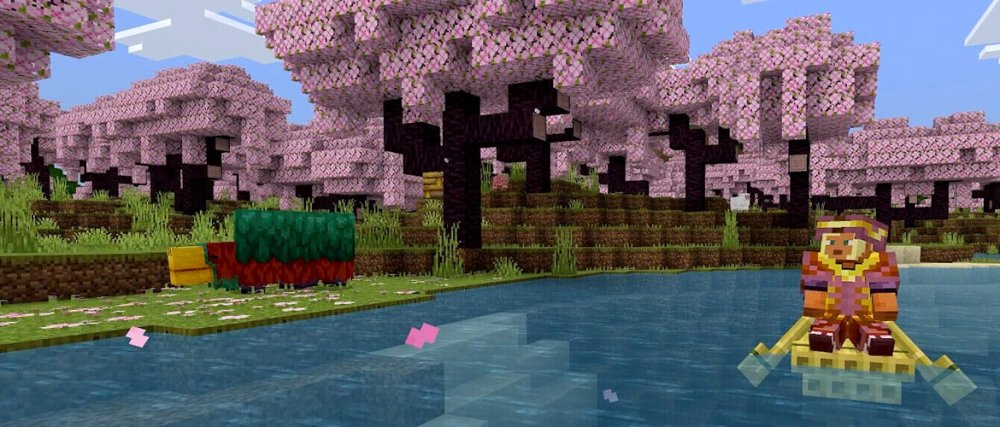
- Plains ; Sunflower Plains ; Meadow ; Cherry Grove.
Uses: ideal locations for bases and villages (Plains/Meadow), easy farming and visibility. Cherry Grove provides cherry wood, decorative petals, and a permanent spring atmosphere, useful for organic building.
Mountains and Peaks
- Grove ; Snowy Slopes ; Frozen Peaks ; Jagged Peaks ; Stony Peaks ; Windswept Hills ; Windswept Gravelly Hills ; Windswept Forest ; Windswept Savanna.
Uses: altitude for “skyline” bases, snow/powder (Snowy Slopes), packed ice, goats (horns), distant views. Windswept areas combine rugged terrain and poor soils, challenging mobility and development.
Jungles
- Jungle ; Sparse Jungle ; Bamboo Jungle.
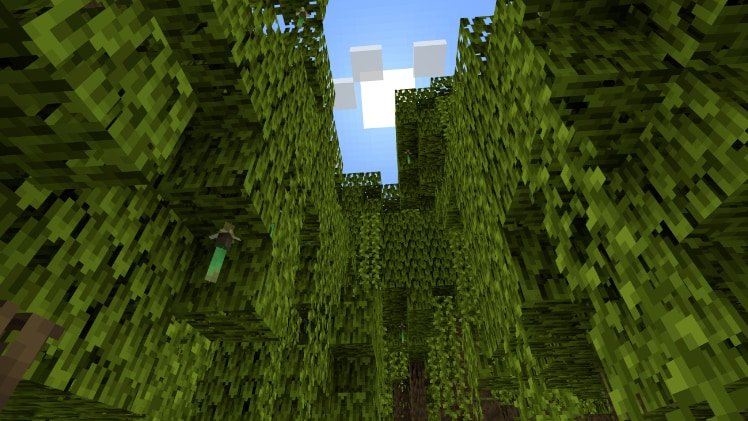
Uses: bamboo, cocoa, parrots, pandas (Bamboo Jungle), temples. High density: prepare tools and lighting to counter hostile spawns under the canopy.
Swamps
- Swamp ; Mangrove Swamp.
Uses: slimes (specific moons), lily pads, clay. Mangrove Swamp: mangrove wood, mud, roots, frogs, bees, and increased aquatic biodiversity.
Arid Lands and Badlands
- Desert ; Badlands ; Wooded Badlands ; Eroded Badlands.
Uses: sand, glass, dyeable terracotta, abandoned surface mines (Badlands). Hot climate: food/water management not required in-game, but mobility and shade useful for combat.
Rivers, Beaches, and Rocky Coasts
- River ; Frozen River ; Beach ; Snowy Beach ; Stony Shore.
Uses: fast boat routes, sand/fish/clay, transitions to oceans and underwater caves. Frozen rivers offer ice “highways.”
Rare Biomes
- Mushroom Fields.
Uses: almost safe zone (hostiles do not spawn on surface), mycelium and mooshrooms. Perfect for advanced survival hubs.
Cave Biomes: Lush, Dripstone, and Deep Dark
Underground biomes shape vertical exploration and risk management. They do not replace your surface biome: they coexist beneath it and mingle with aquifers, ruins, and amethyst geodes.
- Lush Caves: clay, moss, spore blossoms, axolotls, glowing berries. Ideal for decorative farms and aquatic breeding.
- Dripstone Caves: stalactites/stalagmites, pillars, risks of falling/trampling, exposed lava. Source of “points” for traps and technical farms.
- Deep Dark: sculk, sensors, shriekers, and Warden. Loot from Ancient City, but stealth gameplay recommended.
Tip: altitude analysis helps predict transitions (e.g., Deep Dark under mountain ranges). Lush caves can be tracked via surface azalea trees.
Oceans and Offshore
Oceans are segmented by temperature and depth, which influences the fauna (tropical fish, dolphins, glowing squids), corals, ruins, and ocean monuments. Each variant has a color signature and marine seagrass.
- Warm Ocean
- Lukewarm Ocean; Deep Lukewarm Ocean
- Ocean; Deep Ocean
- Cold Ocean; Deep Cold Ocean
- Frozen Ocean; Deep Frozen Ocean
The Deep variants increase water height and submerged structures. Stony Shore and beaches generate at edges, offering sand and quick access to coastal mines.
Nether Biomes: List, Risks, and Resources
Volcanic and hostile dimension, the Nether includes five major biomes. All contain lava lakes, chasms, and dangerous fauna. The biome choice determines wood type (giant mushrooms), access to pearls (endermen), and ease of navigation.
- Nether Wastes: “classic” Nether terrain, netherrack as far as the eye can see, piglins, accessible quartz/glowstone.
- Crimson Forest: red wood (crimson), hoglins and piglins, food from pork, mushrooms/nylium.
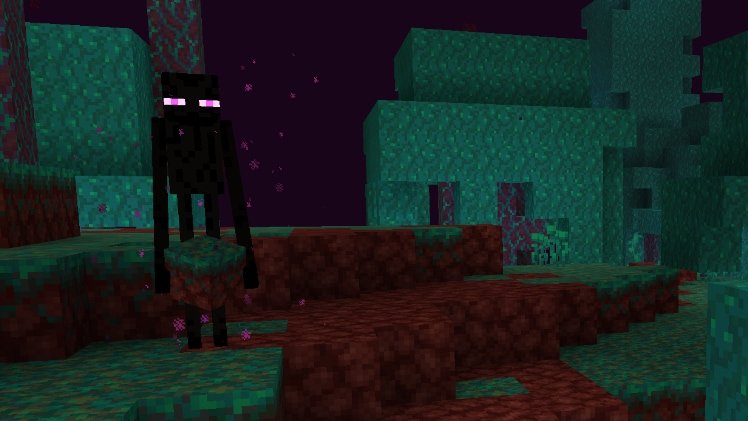
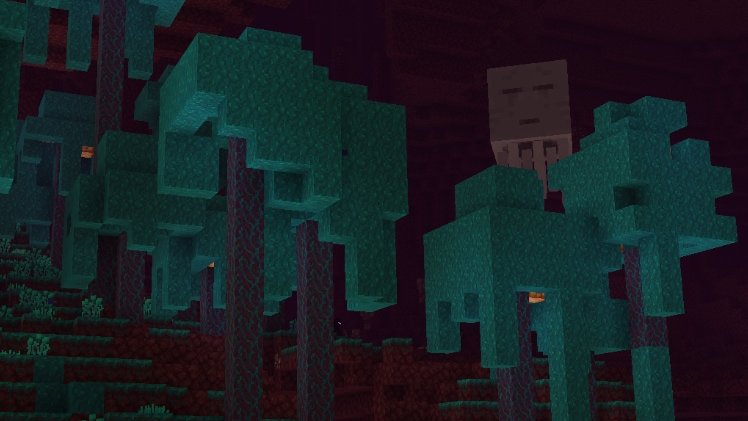
- Warped Forest: cyan hues, frequent endermen, “warped” wood, relatively calm environment except for endermen aggressions.
- Soul Sand Valley: dunes of soul sand/soil, skeletons/ghasts, soul fire, fossils, long visibility but slow crossings.
- Basalt Deltas: jagged basalt and blackstone landscapes, magma cubes, difficult mobility, dark building resources.
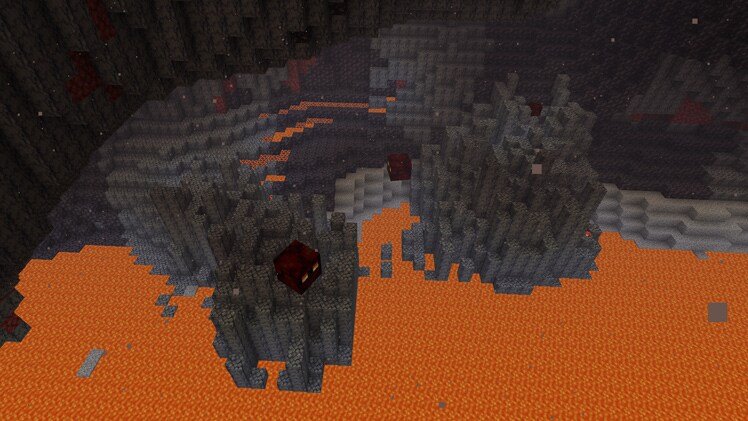
End Biomes
The End is minimalist but segmented to reflect zones around the outer islands. Biomes determine island density and structures (end cities) after the dragon’s defeat.
- The End (central platform)
- End Highlands
- End Midlands
- End Barrens
- Small End Islands
Key resources: chorus fruit/plants, elytras via end ships, shulkers for shulker boxes. Building routes with pontoons or teleport pearls requires extreme caution.
Technical biomes and special cases
- The Void: technical biome used in certain presets (empty flat world) and for internal needs. Not intended for standard survival.
Regarding IDs, recent versions use textual identifiers (e.g. minecraft:cherry_grove) rather than numbers. Some tools/clients may still expose internal numbers, but the official ecosystem relies on names.
Practical tips: finding and exploiting biomes
Location: in survival mode, triangulate via climate transitions: savannas/badlands near deserts; Cherry Grove often at the foothills of mountain ranges; swamps adjacent to jungles/hot deserts; icy peaks above Deep Dark caves. Rivers often guide towards coastal deltas then to temperate or cold oceans. In Java, the command /locate biome <nom> is available in cheated worlds. Surface azalea indicate underlying Lush Caves.
Bases and farms: Plains/Meadow for bases and villages; Badlands for terracotta and abundant mines; Mushroom Fields for safe hubs; Basalt Deltas for blackstone/basalt; Warped/Crimson for Nether wood and pearls via endermen. Deep Dark requires discretion and advanced equipment.
Updates: keep an eye on release notes; biome variants and blocks are regularly added (e.g. wood, foliage, plants, and associated fauna), as well as occasional novelties such as Pale Garden and its pale plant blocks.
FAQ
How many biomes are there in total?
The exact number varies slightly depending on the version and variant breakdown. Count over 60 playable and technical biomes combined in Java/Bedrock in 2025, spread across the Overworld, Nether, End, and cave biomes.
Do cave biomes replace the surface biome?
No. Lush Caves, Dripstone Caves, and Deep Dark are underground biomes that coexist beneath the surface biome and modify spelunking, blocks, and local fauna.
How to quickly find a specific biome in survival?
Look for climate transitions and surface clues (azalea trees for Lush Caves, steep reliefs for icy peaks, rocky coasts for deep oceans). In cheated Java world: /locate biome <nom>. Community exploration maps can help out of game.
Are Cherry Grove and Pale Garden on Bedrock?
Cherry Grove is present on Java and Bedrock. Pale Garden is a novelty introduced on the Java side and gradually deployed; check the corresponding Bedrock release notes.
Is there a “Deep Warm Ocean”?
No. “Deep” variants exist for Ocean, Cold, Frozen, and Lukewarm, but not for Warm Ocean.
Do numeric biome identifiers still exist?
They are deprecated in favor of textual identifiers (minecraft:<biome>). Some third-party tools may expose internal numbers, but the official usage relies on names.
Sources
- Help Center: All Biomes in Minecraft — help.minecraft.net
- Around the Block: Cherry Grove — minecraft.net
- Around the Block: Mangrove Swamp — minecraft.net