| Key Points | Details to Remember |
|---|---|
| 🔍 Definition of a VPN | Creates an encrypted tunnel to mask your Internet traffic |
| 💡 Paid Advantages | Guarantee of bandwidth and dedicated customer support |
| ⚠️ Free Limitations | Risk of data collection and intrusive advertising |
| 📊 Selection Criteria | Evaluate your usage, budget, and necessary features |
| 💰 Cost vs Security | Investing in a paid service often results in more reliability |
| 🚀 Performance | Measure speed and stability according to protocols |
| 🔏 Privacy | Favor publicly audited VPNs |
Between privacy promises and technical realities, choosing a free or paid VPN can quickly feel like a puzzle. Some will praise the economical aspect without subscription, others will shout about limitations in terms of security or performance. Faced with these claims, you need to separate the wheat from the chaff and understand what dangers hide behind the “all free” approach. This article reviews the main arguments, puts the benefits and risks into perspective, then guides you towards the solution best suited to your use.
Why Use a VPN?
A Virtual Private Network (VPN) primarily serves to encrypt your connection and mask your real IP address. Whether you are a streaming enthusiast, teleworker, or frequent traveler, the goal remains the same: to prevent a malicious eye from intercepting your data.
Protection Against Data Exploitation
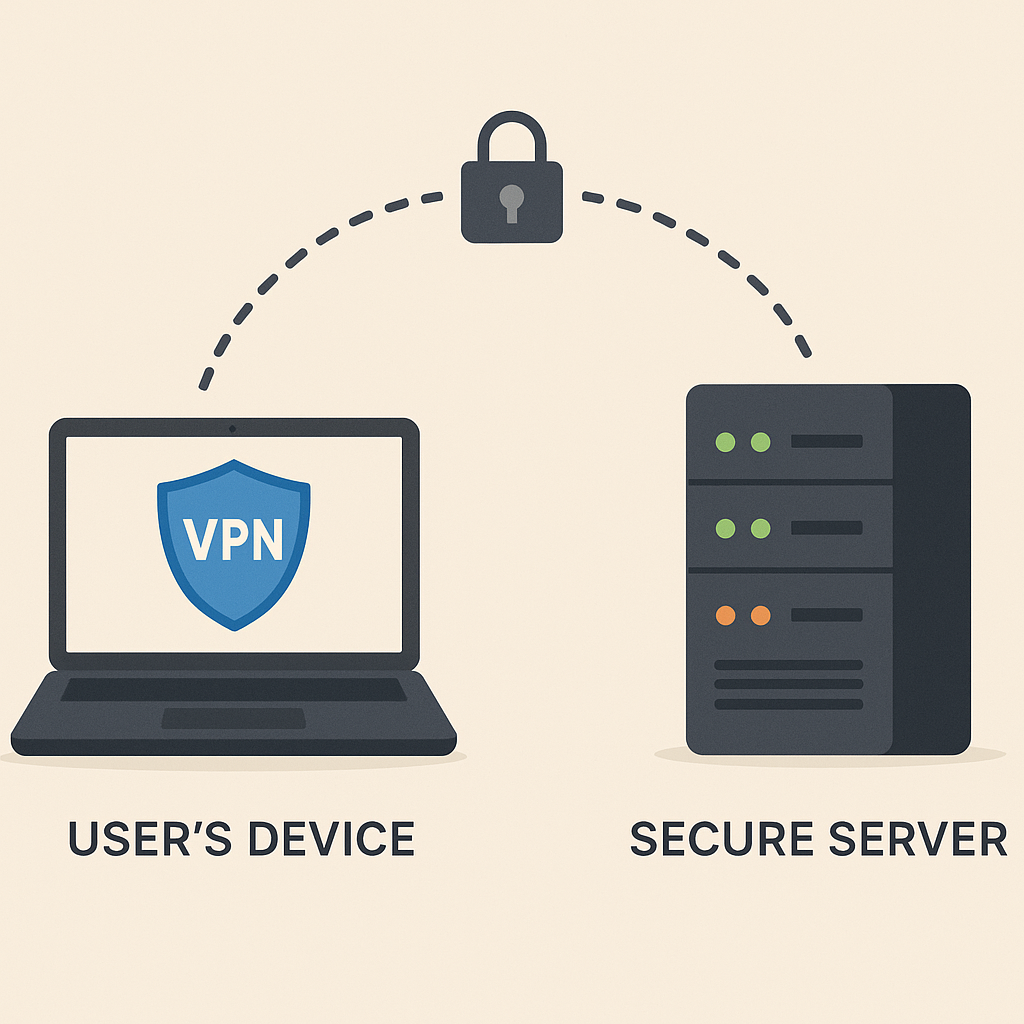
When you browse on public Wi-Fi, every packet traveling between your device and the server is potentially readable. A VPN creates an encrypted “tunnel,” making this information incomprehensible without the key. Imagine your data locked in a sealed safe for which only you hold the combination.
Bypassing Geo-Restrictions
Are you not allowed to watch a movie on a platform abroad? Paid VPNs often offer a network of thousands of servers worldwide. By virtually changing countries, you access varied catalogs without compromising streaming quality.
Free VPNs: Opportunities and Pitfalls
The Advantages of No-Cost Offers
Free is certainly appealing. Some services like ProtonVPN or Windscribe offer a basic plan without a subscription. It’s perfect for occasional use: quickly checking emails on a terrace or unblocking a geo-restricted site for the duration of an article. As a bonus, these VPNs often strictly adhere to their no-logs policy.
The Insidious Limits
In reality, the equation “free = risk-free” does not always hold up. Many free providers resort to targeted advertising, inject trackers, or share your usage data with third parties to monetize their service. Some less robust protocols (PPTP, for example) are even considered “crackable” within minutes by automated tools.
“More than a third of free VPNs collect connection logs to sell to advertisers, according to the Comparitech study (2023).”
Added to this are often bandwidth or data volume limits. It is impossible, for example, to download a large file without being slowed down to 1 Mbit/s as soon as you exceed your monthly quota.
Paid VPNs: A Guarantee of Reliability?
Solid Guarantees
When you pay, the provider knows they have an interest in keeping their commitments. Several major players are auditable (NordVPN, ExpressVPN, Surfshark) and regularly publish third-party reports confirming the absence of logs. Encryption is systematically military-grade (AES-256), modern protocols (WireGuard, OpenVPN) are kept up to date, and the infrastructure is redundant to avoid sudden disconnections.
Advanced Features
- Multi-hop: chain several servers to strengthen anonymity
- Kill switch: block the Internet connection if the VPN drops
- Split tunneling: choose which applications go through the VPN
- Specialized servers for torrenting, 4K streaming, or bypassing censorship
Some services even offer integrated ad and malware blocking, or even a personal firewall. The icing on the cake, 24/7 support is often responsive and competent, an asset when navigating complex settings.
How to Make Your Choice?
Assess Your Real Needs
Take the time to list your uses: sporadic email checking rarely exceeding 500 MB per month? Free may suffice. Intensive streaming, remote work on a public network, sensitive file exchanges? It remains preferable to opt for a paid plan, starting at a few euros per month.
Compare Performance and Budget
Connection speed is a key criterion. Systematically test ping and bandwidth with a tool like Speedtest. Don’t hesitate to take advantage of free trials (generally 7 to 30 days) to measure network quality and stability.
Look at the Privacy Policy
Beyond marketing promises, dive into the terms of use and audit reports. A serious provider will publish an independent document certifying that it keeps no logs that could be traced back to your activity.
Recommendations and Alternatives
If you are an occasional user and budget-conscious, start with a well-known free VPN (with limitations). However, for regular or professional use, a paid subscription will provide you with unparalleled peace of mind and quality of service.
Finally, for the most demanding, consider self-hosted solutions (OpenVPN on a personal VPS) or the Tor network, in addition to a VPN, to maximize anonymity. Each option has its trade-offs; the important thing is to understand your own priorities and act accordingly.
FAQ
1. Is a free VPN really safe?
Not always. Many free services make money by collecting and selling your data or displaying intrusive ads. Check the reputation and logging policy before getting started.
2. What is the speed difference between free and paid?
Generally, a paid VPN offers more servers and less congestion. You often notice a minimal slowdown, whereas free services can throttle your bandwidth uncontrollably.
3. Can a VPN be used for streaming?
Yes, most paid VPNs unblock Netflix, Amazon Prime, Disney+, or BBC iPlayer. Free VPNs prove less reliable and may regularly fail for these uses.
4. Is a kill switch essential?
If you handle sensitive data, it is highly recommended. In case of a disconnection, it automatically blocks your connection to prevent any accidental leaks.
5. Which VPN to choose for professional use?
Opt for a provider with third-party audits, 24/7 support, and advanced access management features. “Business” plans often include a centralized dashboard and multiple accounts.