| Key Points | Details to Remember |
|---|---|
| 🖥️ Address Definition | 127.0.0.1 refers to the local machine, with port 49342 attached |
| 🛠️ Server Configuration | Apache, Nginx or Node.js, installation on local |
| ⚙️ Port 49342 Explained | Dynamic number, often assigned for testing or debugging |
| 🔒 Security | Firewall, authentication and SSL/TLS certificates |
| 🚀 Practical Applications | Testing, API development, hosting prototypes |
| 🔍 Diagnosis and Debugging | Logs, network sniffers and trace routes |
Diving into the world of 127.0.0.1:49342 is like exploring the local loop of your machine as a digital playground. Behind these numbers lies an essential tool for testing, debugging, and securing your applications before going live. This guide demonstrates step by step how to leverage this address and port to set up a robust environment, control incoming traffic, and prevent vulnerabilities.
Understanding the address 127.0.0.1
One might think it is a standard IP address, yet 127.0.0.1 never leaves your computer. It is the famous “loopback”: a closed circuit where network traffic bounces back to the sender. Developers use it to simulate a server locally, without relying on external hosting. In reality, this little solo trip facilitates debugging and avoids polluting remote resources.
Origin and operation of the loopback
Historically, the IPv4 standard reserved 127.0.0.0/8 for these internal loops. The lo interface (Linux) or “Microsoft Loopback Adapter” (Windows) intercepts these packets and immediately returns them. It’s like talking to yourself on a muted phone: your voice stays confined to the device. No packet passes through the network card.
Why choose port 49342?
Each IP address is accompanied by a port to identify a particular application. Numbers below 1024 are assigned to standard services (HTTP, SSH…). Beyond that, there is a dynamic range (49152–65535). Port 49342 is a typical example of a number borrowed for tests or a development instance, without risking conflict with an existing app.
How to configure and use your local server
Install your server: Apache, Nginx or Node.js
Depending on your stack, several options are available:
- Apache HTTPD: robust and modular, perfect for PHP or static content.
- Nginx: lightweight, designed for scaling and reverse proxy.
- Node.js: ideal for JavaScript backends and websockets.
We often start with a simple “brew install httpd” on macOS or “sudo apt-get install apache2” on Debian. Then, adjust the configuration file to listen on port 49342 (listen 127.0.0.1:49342) before restarting the service.
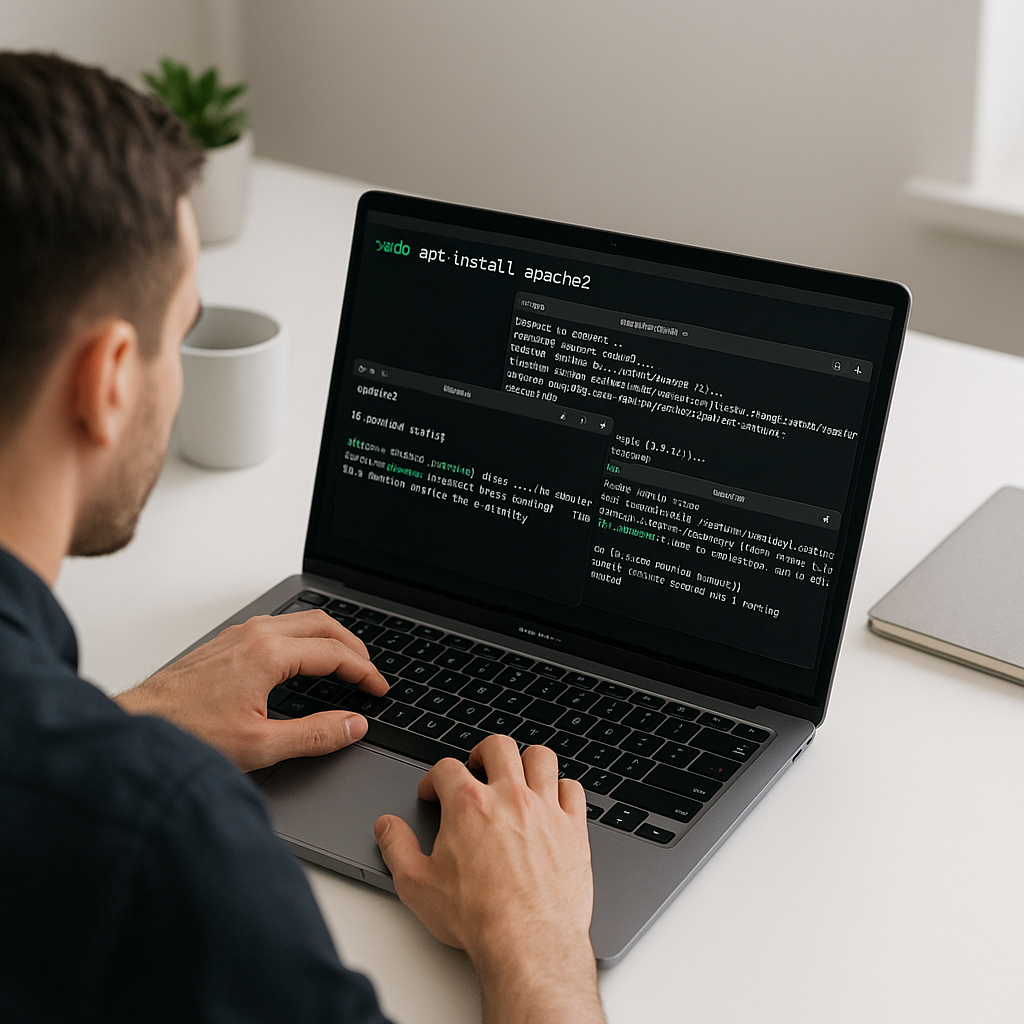
Configure port 49342
In Apache, the instruction Listen 127.0.0.1:49342 appears in httpd.conf. For Nginx, it is listen 127.0.0.1:49342; in your server blocks. As for Node.js, you create an express server with app.listen(49342, ‘127.0.0.1’). Then point your browser to http://127.0.0.1:49342 to verify that everything responds.
Security and best practices
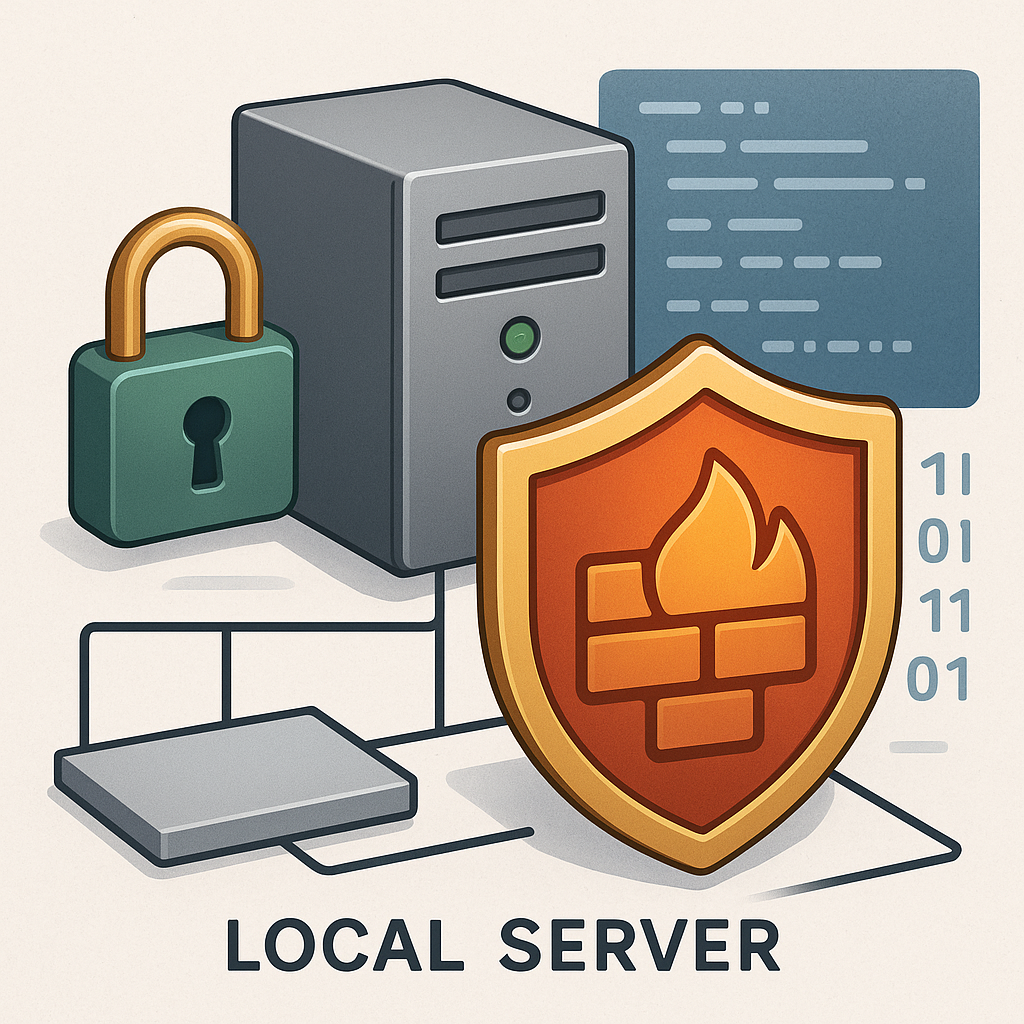
Testing locally does not mean neglecting security. In reality, a poorly protected server remains vulnerable, even when it is not directly accessible from the Internet.
- Restrict access: keep listening only on 127.0.0.1 to avoid external connections.
- Update: keeping your server and dependencies up to date prevents many vulnerabilities.
- Local firewall: add a rule to block any IP other than 127.0.0.1.
- HTTPS locally: generate a self-signed certificate to replicate the behavior of a production site.
- Log monitoring: tail -f /var/log/apache2/access.log to detect any suspicious requests.
Diagnostic and debug tools
When things get stuck, it’s better to have a well-stocked toolbox:
- curl to manually test your endpoints.
- Wireshark or tcpdump to analyze packets in depth.
- Postman to structure your API requests and verify responses.
- netstat to see open ports and associated processes.
- Browser extensions like RESTer or Live HTTP Headers.
These tools turn your workstation into a real test bench and speed up network problem resolution.
FAQ
Can 127.0.0.1:49342 be accessed from another machine?
By default, no. The loopback interface only accepts internal connections. To open it, you would need to bind your server to 0.0.0.0 or the local IP, but this exposes your service to your network.
How to change the port if 49342 is already in use?
Simply choose another non-reserved number (for example 50000) and modify the Listen directive or its equivalent in your config. Then restart the server to apply the change.
Is a self-signed SSL certificate worth it locally?
Yes, especially if you are testing HTTPS features before deployment. Browsers warn about a self-signed certificate, but your app’s behavior remains identical to the live version.
What is the difference between 127.0.0.1 and localhost?
On most systems, localhost points to 127.0.0.1 in the hosts file. In some cases, localhost can also resolve to IPv6 (::1). It’s a detail, but it can matter if your server listens only on IPv4.