Last update: 10/06/2025
This guide synthesizes independent tests and official data to offer a clear ranking of graphics cards in 2025. You will find recommendations “by usage”: native 4K, ray tracing, high-frequency 1440p, budget 1080p, and compact formats.
In short: the GeForce RTX 5090 dominates in 4K, especially with ray tracing.
In pure value, the best performance/price ratios are found around the RTX 5060 Ti 16 GB and Radeon RX 9060 XT 16 GB.
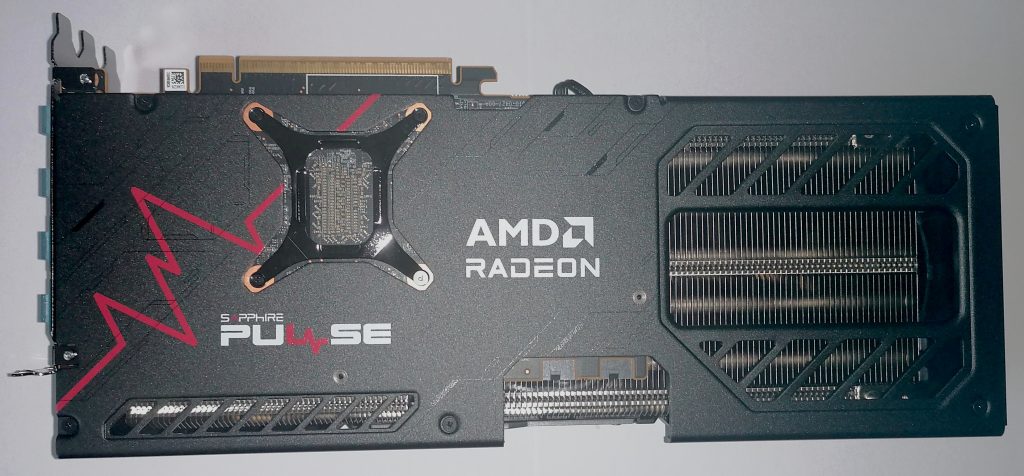
The AMD Radeon RX 9070 XT makes significant progress in ray tracing and rivals the RTX 4070 Ti Super.
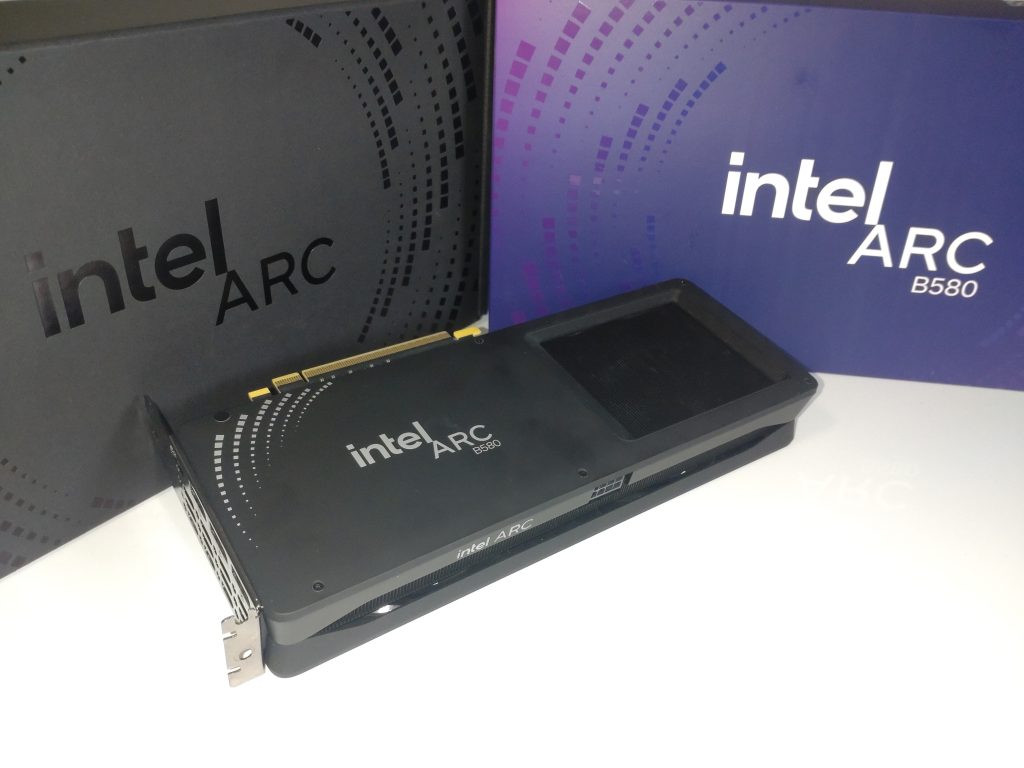
Intel Arc B580 is relevant in entry-level if the price is low and drivers are up to date.
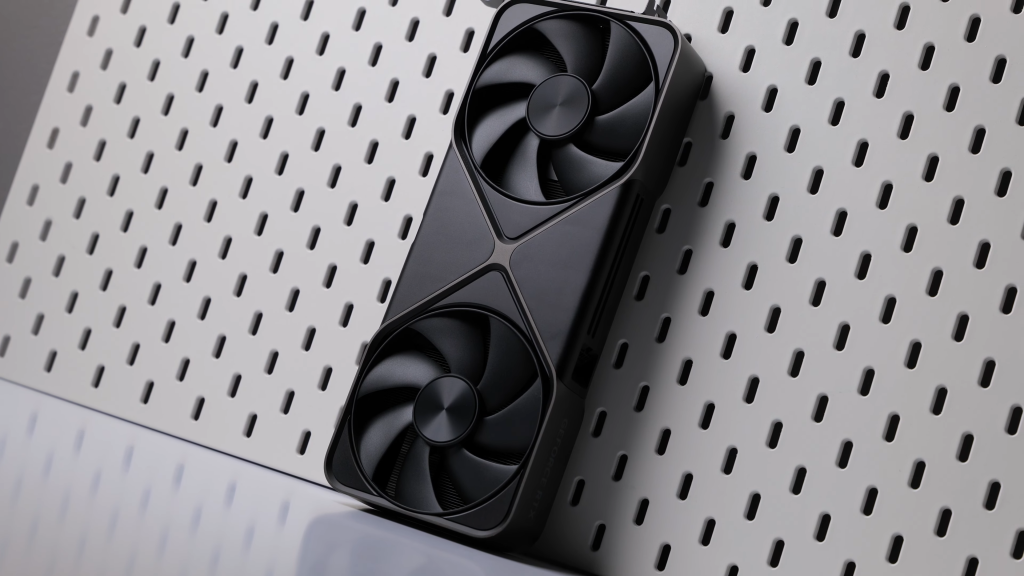
Methodology: how we rank graphics cards
The ranking is based on performance aggregates published by independent and recognized laboratories, supplemented by official manufacturer datasheets. We retain multi-game test suites with geometric mean, at four resolutions: 1080p, 1440p, 4K raster, and 4K ray tracing. Reference prices rely on official MSRP/SEP when available and, failing that, on recent surveys from major retailers. We correlate this data with energy efficiency and noise measurements when reported.
Key references: the 2025 hierarchy from Tom’s Hardware for raster/RT rankings, the full RTX 5090 test by ComputerBase for the 4K gap, official RDNA 4 AMD and Arc Battlemage Intel releases for specifications and prices, as well as NVIDIA product pages for RTX 50 series MSRP.
Important: for a rational purchase, we always compare cost per frame (price/FPS) in the target scenario and not just the raw score. At 1080p and sometimes 1440p, very high-end cards often hit CPU limits: they mechanically lose interest in price/FPS.
Top uncompromising 4K: who dominates in 2025?
4K Champion: NVIDIA GeForce RTX 5090. It leads both in raster and ray tracing; 2025 test suites place it about 24% ahead of the RTX 4090 in 4K raster, with a similar advantage in RT depending on the titles. This crowns it for native 4K gaming, 120–240 Hz screens, and very heavy creative uses. In exchange: size, robust power supply, and high budget.
Behind: RTX 5080 then RTX 4090. The RTX 5080 ranks below the 4090 in raster according to suites but benefits from DLSS 4 and the recent software platform. Depending on availability and actual price, the perf/price gap between 5080 and 4090 varies; at identical or close MSRP, the 4090 retains interest in raw compute, but the 5080 can win in recent features.
AMD alternatives: Radeon RX 7900 XTX remains competitive in pure 4K raster and retains an excellent memory capacity/price ratio for heavy non-RT loads. The Radeon RX 9070 XT is newer: a notch below 7900 XTX in pure raster in some aggregates, but better in RT and more efficient.
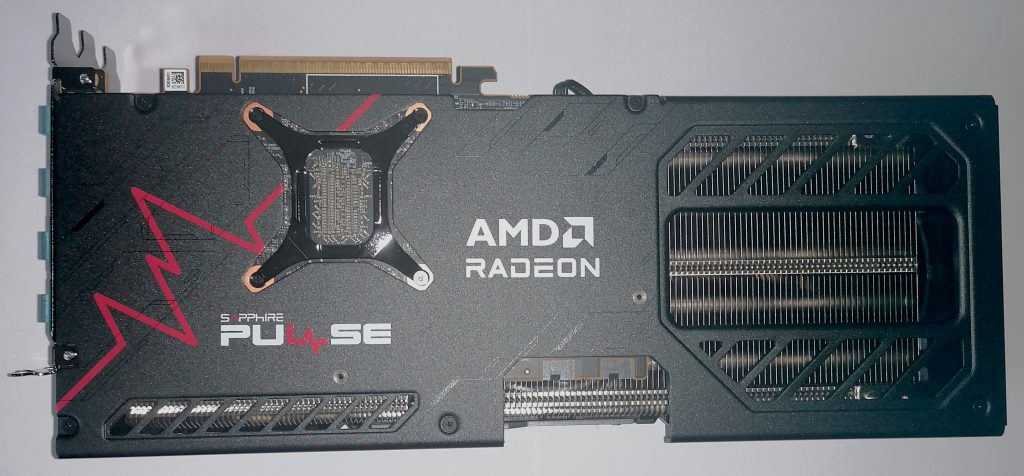
Key takeaway: if your goal is a durable “ultra” 4K without upscaling, the RTX 5090 has the technical edge. To optimize budget, a 7900 XTX remains a relevant choice in rasterization, while the 9070 XT positions itself as AMD’s most balanced option in mixed 4K raster/RT.
Top ray tracing: the hierarchy with RT effects enabled
In 2025, ray tracing accentuates the separation between architectures. RTX 5090 remains alone at the top in 4K RT, followed by the RTX 4090 and RTX 5080. The leap of the 5090 in RT is explained by the combination of RT cores, GDDR7 bandwidth, and DLSS 4 algorithms with Multi-Frame Generation.
On the AMD side, Radeon RX 9070 XT shows notable RDNA 4 progress in ray tracing, surpassing the 7900 XTX in RT suites and approaching the RTX 4070 Ti Super according to averages. For playing at high 1440p RT, RX 9070, RX 9070 XT, RTX 5070, and RTX 5070 Ti offer a smooth experience with next-generation upscaling (FSR 4, DLSS 4).
At 1080p RT, the target is cards with 12–16 GB and good support for upscalers: RTX 4060 Ti 16 GB/5060 Ti 16 GB or RX 9060 XT 16 GB form a coherent base to enable RT without VRAM bottlenecks.
Best choices at 1440p: performance, smoothness, and price
1440p is the current “sweet spot” for demanding gamers. Two cards stand out to maximize cost per frame:
- Radeon RX 9060 XT 16 GB: excellent price/FPS, reassuring 16 GB, good RT performance with FSR 4. Often cited as the “best buy” at 1440p when its price aligns with MSRP.
- GeForce RTX 5060 Ti 16 GB: Nvidia alternative with DLSS 4 and MFG. Slightly behind in raw raster according to games, but compensates with the ecosystem and AV1 encoder.
Above, RTX 5070 and RTX 5070 Ti allow aiming for 165–240 Hz in e-sports and a steady 120 Hz in AAA with upscaling. In practice, the choice depends on the monitor and the current real price.
Budget options at 1080p: prioritize cost per frame
In Full HD, budget guides the choice. RTX 5060 8 GB is often the FPS/$ number 1 in 2025 rankings, but its 8 GB can limit some heavy titles. Radeon RX 9060 XT 8 GB offers comparable performance with manageable VRAM compromises at 1080p. When prices are close, favor the card with the best local availability and the encoder that fits your uses (streaming/AV1).
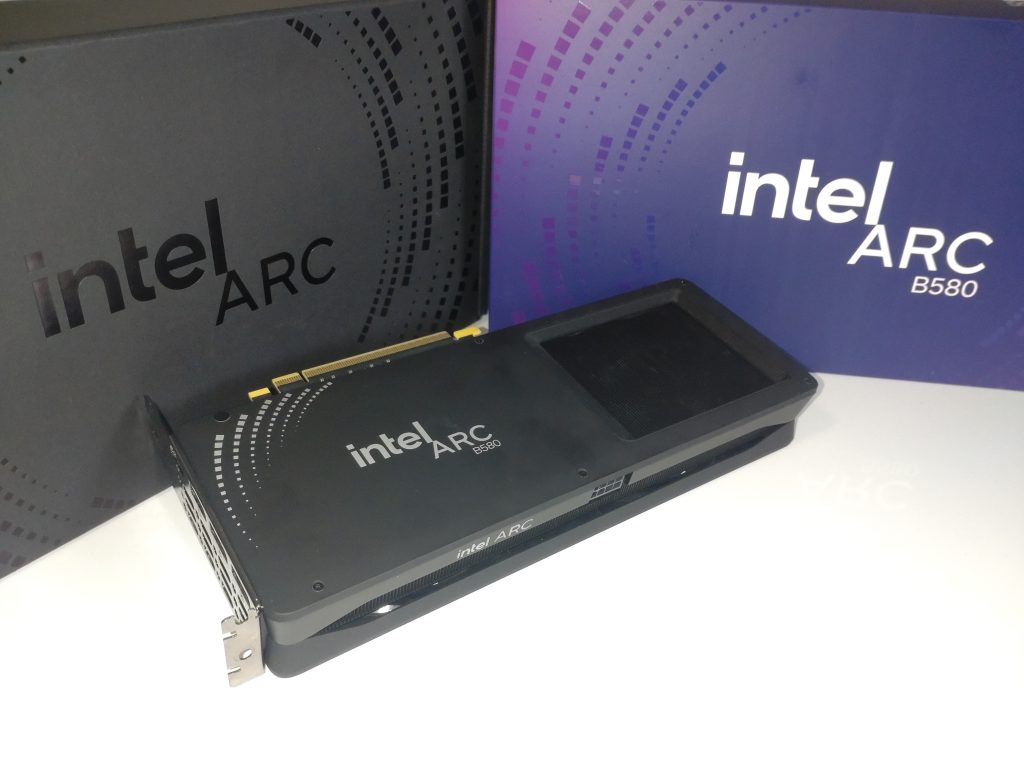
In the recent entry-level segment, Intel Arc B580 offers an interesting proposition around $249 MSRP: 12 GB, XeSS 2 with frame generation, functional ray tracing. In return: drivers to keep updated and performance that varies depending on the games.
Compact & SFF cards: format constraints and realistic choices
Compact cases (Small Form Factor) impose limits on length, thickness, and connectivity. In 2025, several “SFF-Ready” models exist around the RTX 5070/5070 Ti and RTX 4060 Ti, with lengths under ~300 mm and sometimes 2-slots. AMD offers shorter custom RX 7000/9000 cards from some partners. Check:
- Exact length and thickness (2 or 2.5 slots);
- Available airflow and fan orientation;
- Type of GPU power supply (12V-2×6/12VHPWR vs classic 8-pins) and possible bends;
- IO position and clearance for DisplayPort 2.1/HDMI 2.1 cables.
Power consumption, noise, power supply: what to plan for
RTX 5090 has a very high TBP; independent tests measure up to ~575 W peak depending on the game and power limit, with a 24% gain in 4K vs 4090 on raster aggregate. A quality power supply with margin is needed, a ventilated case, and a properly wired 12V-2×6 rail. The RTX 5080/5070 Ti have significantly lower TBP, making integration easier. The RX 9070 XT remains reasonable for its performance level, and the Arc B580/B570 require only modest power supplies.
Simple rule: calculate GPU TBP + CPU PPT, add 150–250 W margin depending on the rest of the platform, and choose an ATX 3.1/PCIe 5.1 certified power supply if you are targeting high-end RTX 50 cards.
Quick ranking by usage profile
Native 4K “ultra”
- GeForce RTX 5090 — best in 4K raster and RT.
- GeForce RTX 4090 — still very strong, high compute.
- GeForce RTX 5080 — recent alternative, more efficient, DLSS 4.
- Radeon RX 7900 XTX — excellent raster/price, 24 GB.
- Radeon RX 9070 XT — better RT than 7900 XTX, 16 GB.
4K ray tracing with upscaling
- GeForce RTX 5090
- GeForce RTX 5080
- GeForce RTX 4090
- Radeon RX 9070 XT
- GeForce RTX 5070 Ti
1440p 120–240 Hz
- GeForce RTX 5070 Ti
- GeForce RTX 5070
- Radeon RX 9060 XT 16 GB
- GeForce RTX 5060 Ti 16 GB
- Radeon RX 9070
1080p budget
- GeForce RTX 5060 8 GB — best FPS/$, VRAM to watch.
- Radeon RX 9060 XT 8 GB — good price alternative.
- Intel Arc B580 — interesting if cheaper and drivers up to date.
Concrete buying advice
- Screen first: match the card to your monitor’s resolution/refresh rate. No need to pay for a 5090 for 1080p 60 Hz.
- VRAM: 8 GB is enough at 1080p if you accept adjusting texture quality. 12–16 GB is comfortable at 1440p. 16–24 GB recommended for 4K and heavy mods.
- Upscaling: DLSS 4 and FSR 4 change the game at high resolution. Check compatibility with your target games.
- Power supply: prioritize ATX 3.1/PCIe 5.x for RTX 50, certified 12V-2×6 cables, and a healthy margin.
- Software: Nvidia Studio, AMD Software: Adrenalin, Intel Arc Control, and AV1 encoding can influence the decision if you create or stream.
Quick Case Studies
4K Cinema + Gaming PC
Card: RTX 5080 or 5090 depending on 4K 120–240 Hz monitor budget. Reason: RT, DLSS 4, AV1 encoder.
1440p e-sport 240 Hz Setup
Card: RTX 5070/5070 Ti. Reason: low latency, consistently high FPS.
Creative Station + Local AI
Card: RTX 4090/5090 or RX 7900 XTX depending on frameworks used. Reason: VRAM and accelerators, efficient encoders.
Useful Links and Official Sheets
- NVIDIA GeForce RTX 5080 — product page and MSRP
- AMD RDNA 4 — RX 9070 XT / RX 9070 launch
- Intel Arc B-Series — PDF press release (B580/B570)
- GPU Hierarchy 2025 — Tom’s Hardware
- RTX 5090 Test — ComputerBase (4K gap vs 4090)
Additional Images
FAQ
Which graphics card is #1 in 4K in 2025?
The GeForce RTX 5090 leads in 4K on raster and ray tracing aggregates published in 2025.
RTX 5090 or RTX 4090 for 4K gaming today?
The 5090 is ~24% faster on average in 4K raster. The 4090 remains very powerful if its actual price is significantly lower.
Best performance/price ratio in 1440p?
Radeon RX 9060 XT 16 GB and GeForce RTX 5060 Ti 16 GB according to 2025 hierarchies, provided prices are close to SEP.
How much VRAM is needed in 2025?
8 GB is sufficient at 1080p with appropriate settings. 12–16 GB is recommended at 1440p. Aim for 16–24 GB in 4K or heavy creation.
FSR 4 vs DLSS 4: which to choose?
DLSS 4 has the most mature ecosystem on the PC side and interfaces with Nvidia’s multi-frame generation. FSR 4 is making strong progress and remains open. Also choose according to the games used.
Is my power supply sufficient for an RTX 50?
Add the GPU TBP + CPU budget, add 150–250 W of margin. For a 5090, aim for a high-quality ATX 3.1 with a 12V-2×6 connector.